Navigate Here:
ToggleIntroduction
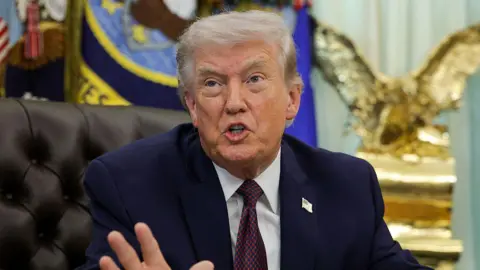
As global tensions rise, Donald Trump is set to deliver a high-stakes primetime address on the ongoing Iran war—an event expected to draw millions of viewers worldwide. The speech comes at a pivotal moment, with uncertainty surrounding the future of the conflict and increasing pressure on the administration to outline a clear path forward.
A Sudden Announcement Raises Questions
The White House confirmed that Trump will address the nation with an “important update” on the Iran war, which has now entered its second month.
However, officials have provided little clarity on the purpose of the speech. The lack of detail has fueled speculation about whether the address will signal a winding down of US involvement—or a possible escalation.
Recent remarks by Trump suggest that the war may not last much longer, with the president hinting at a potential end within weeks.
- Financial markets have reacted positively, with rising hopes that the war could end soon and oil prices stabilizing.
- Trump indicated in interviews that the US may withdraw “pretty quickly,” though limited strikes could continue if needed.
- Iran has rejected claims that it requested a ceasefire, highlighting ongoing diplomatic tensions.
- The president has also suggested the conflict could end within two to three weeks, though no clear roadmap has been shared.
These mixed signals have only added to the uncertainty surrounding the address.
Strategic Ambiguity: A Familiar Trump Approach
Trump’s leadership style has long been defined by unpredictability. By limiting insight into his strategy, he often keeps both allies and adversaries guessing.
Supporters argue that this approach provides leverage in negotiations and conflict situations. Critics, however, warn that such ambiguity can create instability—especially during an active military conflict with global implications.
In the case of Iran, this strategy appears to be in full effect, with shifting messages about ceasefires, withdrawals, and long-term objectives.
Domestic Pressure Continues to Mount
Back home, the political and economic stakes are rising.
Public opinion polls show that a significant majority of Americans favor ending US involvement in the conflict quickly, even if some military goals remain unmet.
At the same time, economic concerns are becoming harder to ignore. Fuel prices have surged past $4 per gallon in the US, increasing pressure on the administration to stabilize the situation.
For Trump—who previously highlighted low petrol prices as a key achievement—this presents a growing political challenge.
Global Impact of the Iran War
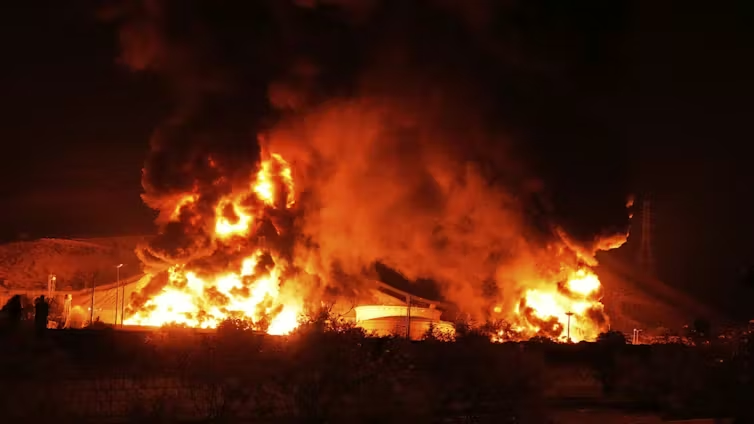
The war has already had far-reaching consequences:
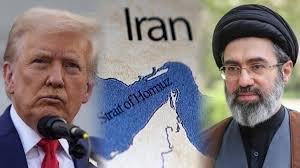
- Disruptions in the Strait of Hormuz, a critical oil transit route
- Rising energy costs worldwide
- Increased geopolitical tensions between the US and its allies
- Ongoing military strikes and humanitarian concerns
Experts warn that unless stability returns soon, the economic and political fallout could deepen significantly.
What the World Is Watching For
As Trump prepares to speak, several key questions remain:
- Will the US announce a clear exit strategy?
- Is a ceasefire or diplomatic deal imminent?
- Could there be further military escalation?
- What role will allies play moving forward?
The primetime address is expected to provide at least some answers—but given Trump’s track record, it may also raise new questions.
Conclusion
Trump’s upcoming address on the Iran war comes at a critical crossroads. With mounting domestic pressure, global economic implications, and ongoing military uncertainty, the stakes could hardly be higher.
Whether the speech signals the beginning of the end of the conflict—or a new phase altogether—millions around the world will be watching closely.
For now, one thing remains clear: the future of the Iran war—and America’s role in it—hangs in the balance.