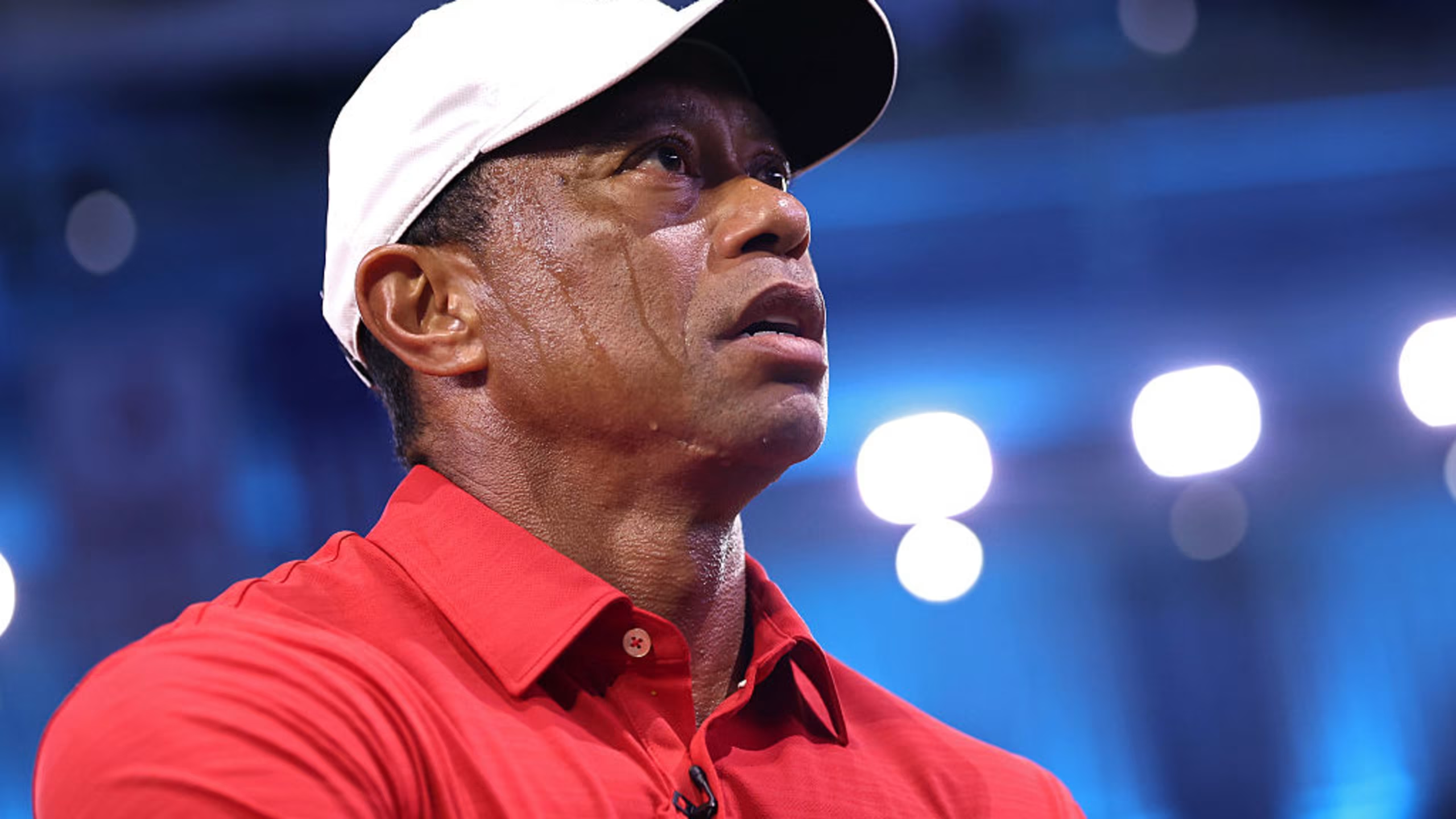
Tiger Woods — the 15‑time major champion and one of the most famous athletes in history — is once again at the center of attention, but this time for all the wrong reasons.
On Friday, Woods flipped his Range Rover on a quiet residential street on Jupiter Island, Florida, leaving the golfing world stunned and questioning not just his personal life but the future direction of men’s professional golf.
Another Crash, Another Headline
Woods has a long history of off‑course controversies and high‑profile incidents:
- 2009 — Woods was involved in a crash outside his home that exposed multiple affairs, leading to one of the most publicized personal controversies in sports history.
- 2017 — He was convicted of reckless driving in Florida after another incident.
- 2021 — Woods was seriously injured in a high‑speed single‑vehicle crash in Los Angeles — an accident that led to major recovery and rehabilitation.
Now, at age 50, he’s again under scrutiny following the Florida crash. Authorities allege he will face charges of driving under the influence (despite passing a breathalyzer test for alcohol), refusing a urine test, and property damage. Woods has not yet publicly commented in detail, but his legal team has suggested he will cooperate with authorities.
Many golf fans are also wondering whether Woods will appear at the 2026 Masters Tournament in Augusta, scheduled for next week. As of now, odds are strongly against his participation.
Why Tiger Woods Still Matters to Golf
Despite years away from full‑time competition, Woods remains deeply connected to professional golf — both on and off the course:
1. Leadership Roles in the PGA Tour
Woods serves as a Player Director on the PGA Tour Policy Board and has been Vice Chairman of the PGA Tour Enterprises board for the past two years. These roles put him at the heart of strategic decision‑making for men’s golf.
2. Special Eligibility Rules
Even though his competitive schedule has been sparse — he’s completed all four rounds in only four tournaments since 2020 — the PGA Tour created special eligibility rules to allow Woods to compete in Signature Events. This unusual accommodation shows how much the tour still values his presence.
3. The Loop and Augusta National Projects
When Augusta National Golf Club sought ideas for a new public nine‑hole course called “The Loop”, the conversation quickly turned to Woods as a potential designer or ambassador for the project.
4. TMRW Sports and the TGL Indoor League
Off the traditional course, Woods has expanded his influence through TMRW Sports, co‑founded with fellow star Rory McIlroy. The TGL Indoor League — a team‑based competitive indoor golf series backed by the PGA Tour — wrapped up its second season recently, drawing strong TV ratings and featuring Woods in key moments that boosted viewership.
5. Public & Commercial Influence
Even at world ranking 3,736, Woods remains a massive draw for sponsors, media, and fans. His name commands headlines, social media trends, and television ratings — a rare level of influence for any athlete, especially one not playing regularly.
New Developments and Context
Legal Proceedings & Timeline
At the time of writing, Woods has not yet issued a personal statement about the Florida crash. Legal experts say the refusal of a urine test may lead to serious penalties, although the final outcome will depend on evidence presented in court.
Police reports are currently under review, and more details are expected to emerge once formal charges are filed.
Masters and Professional Impacts
Several golf insiders believe that Woods’ participation in the 2026 Masters is doubtful, but not entirely ruled out. Sources close to Augusta National suggest that Woods has been in contact with tournament officials — though no official confirmation has been made.
If Woods does miss the Masters, it will mark the first time in years that golf’s most famous name is absent from one of its biggest stages — a reality that could have ripple effects on viewership and sponsorship.
Is Golf Too Dependent on Tiger Woods?
For decades, Woods has been golf’s most influential figure — the one the sport turns to when it needs a boost:
- Need a new golf course design? Call Tiger.
- PGA Tour shaping future plans? Tiger chairs the committee.
- Need Ryder Cup leadership or star power? Tiger steps up.
But critics now ask: Why does golf keep circling back to one individual?
Is the sport failing to cultivate the next generation of leadership, or is Woods simply unmatched in stature and legacy?
Some observers argue this latest incident could be a turning point — forcing golf to think beyond one figure and invest in a broader base of leadership and personality.
Others believe Woods remains irreplaceable — that his influence still outweighs any single player because he helped elevate the sport’s profile globally.
Fan and Industry Reactions
Supportive Voices
Many fans and fellow players have rallied around Woods, emphasizing:
“Tiger has given so much to golf — almost everyone has made mistakes. This shouldn’t erase his legacy.”
Several PGA Tour professionals have publicly voiced support, pointing to Woods’ long record of charity work and mentorship.
Critical Perspectives
Others feel golf needs to reduce its reliance on Woods’ star power:
“The PGA Tour needs to think beyond Tiger,” one commentator said.
“It’s time for new leaders and new faces.”
Some industry voices believe that Woods’ off‑course troubles could undermine golf’s strategic planning, especially if he is unable to fully participate in leadership roles moving forward.
What’s Next for Tiger Woods and Golf?
At this crucial moment:
- Will Woods appear at the Masters Tournament?
- Can he retain his leadership roles in PGA Tour governance?
- Will this incident finally lead golf to diversify its leadership beyond one iconic figure?
The answers will unfold in the coming weeks and months — and they may influence the sport for years to come.