Introduction
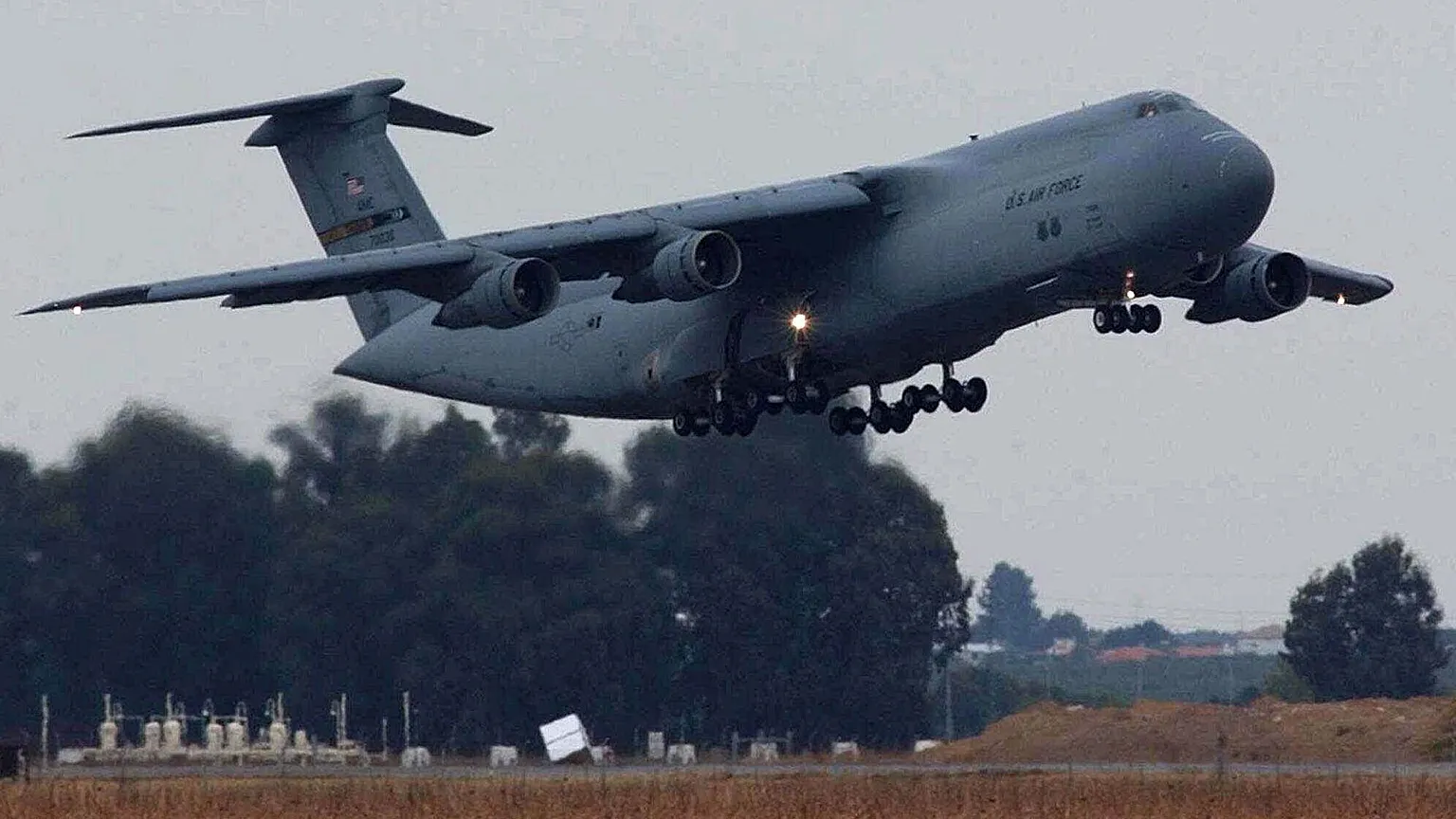
Spain has taken a strong and controversial stance in the ongoing Iran war by officially closing its airspace to United States military aircraft involved in the conflict. The move signals a deepening divide between Western allies and raises serious questions about NATO unity and global diplomacy.
Spain Officially Blocks US War Flights
Spain’s Defence Minister Margarita Robles confirmed that the country will not allow US aircraft linked to military operations in Iran to use Spanish airspace.
She clearly stated:
“We will not authorise the use of Morón and Rota for any acts related to the war in Iran.”
This decision extends beyond airspace restrictions, as Spain has also denied the use of two key joint military bases:
- Rota Naval Base
- Morón Air Base
Both bases, located in southern Spain, are critical for US military logistics in Europe and the Middle East.
Spain’s Clear Message: No Role in Escalation
Spain’s Foreign Affairs Minister José Manuel Albares emphasized that the country’s goal is to avoid fueling the conflict.
He stated that the decision was aimed at:
- Preventing escalation of the Iran war
- Maintaining diplomatic neutrality
- Upholding international law
Spain has made it clear from the beginning that it will not support military actions it considers незакон or destabilizing.
All US Military Flight Plans Rejected
Spanish Prime Minister Pedro Sánchez revealed that the government has taken even stricter measures.
According to Sánchez:
- Every US flight plan related to Iran operations has been rejected
- This includes refuelling aircraft
- No exceptions have been made so far
This demonstrates Spain’s firm and consistent opposition to the war.
US Response: “We Don’t Need Spain”
A White House official responded by stating that the US military is fully capable of conducting operations without Spain’s support.
The official said:
The US is “meeting or surpassing all of its goals under Operation Epic Fury and does not need help from Spain or anyone else.”
This response suggests Washington is downplaying the operational impact of Spain’s decision.
Rising Tensions Between Spain and the US
The situation has significantly strained relations between the two countries.
Key developments include:
- US President Donald Trump previously threatened a full trade embargo on Spain
- Spain has openly criticized US and Israeli military actions
- Diplomatic relations are becoming increasingly tense
Spain’s leadership has labeled the attacks on Iran as:
- “Reckless”
- “Illegal”
Why Spain Opposes the Iran War
Spain has emerged as one of the strongest critics of the conflict since it began in late February.
The government argues that:
- The war lacks international legal justification
- Military escalation could destabilize the region further
- Diplomacy should be prioritized over force
Spain’s stance reflects a broader concern among some European nations about being drawn into another prolonged conflict.
Impact on Global Military Operations
Spain’s decision could have significant consequences for US military strategy.
Possible impacts include:
- Longer and more complex flight routes
- Increased operational costs
- Reduced efficiency in troop and equipment movement
Even if the US claims independence, losing access to Spanish airspace and bases is strategically important.
What This Means for NATO and Europe
Spain’s move highlights growing divisions within NATO and Europe.
Key concerns:
- Lack of unified strategy among allies
- Increasing disagreements over military interventions
- Potential weakening of alliance coordination
Spain’s position could encourage other countries to reconsider their involvement.
Conclusion
Spain’s decision to close its airspace to US military aircraft involved in the Iran war marks a major geopolitical shift. By rejecting both airspace access and military base usage, Spain has taken a firm stand against escalation.
As tensions continue to rise, this development could reshape alliances, impact military operations, and influence the global response to the Iran conflict.