Navigate Here:
ToggleIntroduction
Iran has firmly rejected Donald Trump’s claim that Tehran requested a ceasefire in the ongoing war, calling the statement “false and baseless.” The sharp denial comes amid escalating tensions and conflicting narratives about whether diplomatic efforts are underway to end the conflict.
Iran Pushes Back Against Trump’s Statement
Iran’s foreign ministry has categorically dismissed Trump’s assertion that the country sought a ceasefire, describing the claim as “false and baseless” in official remarks broadcast on state media.
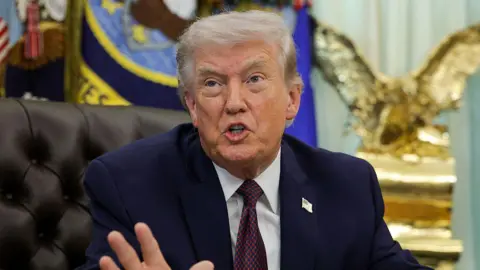
The response directly contradicts Trump’s earlier statement, in which he claimed that Iran had approached the United States seeking a halt to hostilities.
Iranian officials have not only denied making such a request but also emphasized that no formal ceasefire proposal has been submitted from their side.
Conflicting Narratives Over Possible Talks
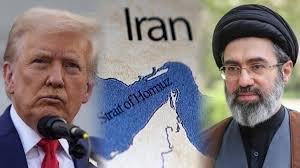
Despite Iran’s denial, reports suggest that behind the scenes, there may be indirect discussions involving a potential ceasefire—particularly tied to the reopening of the strategic Strait of Hormuz.
However, it remains unclear whether these discussions are official negotiations or informal contacts through intermediaries. Analysts note that both sides appear to be sending mixed signals, contributing to confusion over the true state of diplomacy.
Strait of Hormuz at the Center of Dispute
The Strait of Hormuz—a critical global oil shipping route—has become a central sticking point in the conflict.
- Trump has indicated that any ceasefire would depend on the strait being “open and secure”
- Iran, meanwhile, has asserted control over the waterway and signaled it will not concede under pressure
This disagreement highlights the strategic and economic stakes driving the war, with global energy markets closely watching developments.
Rising Tensions and Ongoing Conflict
The denial comes as military activity continues across the region:
- Iran-backed forces and regional allies remain active
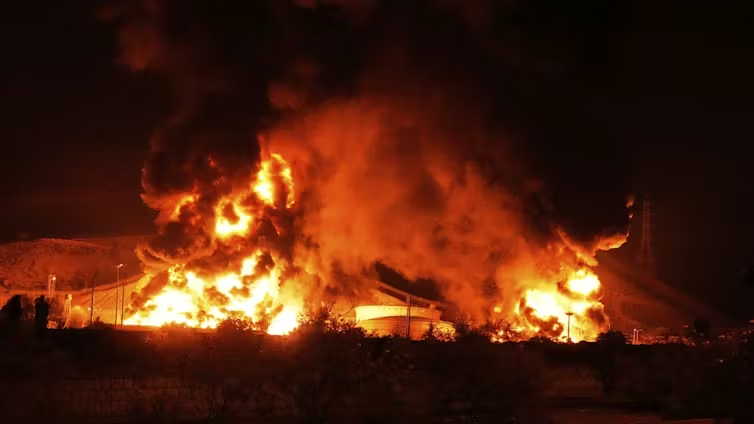
- Attacks on infrastructure and shipping routes have been reported
- Global concerns are rising over energy supply disruptions and broader instability
At the same time, Iran’s leadership has taken a firm stance against what it views as misinformation from Washington, further widening the diplomatic divide.
What Happens Next?
The conflicting claims underscore a key reality: there is no clear consensus on whether a ceasefire is even close.
Key uncertainties include:
- Whether real negotiations are taking place behind closed doors
- If the US will escalate military pressure or move toward diplomacy
- How control of the Strait of Hormuz will influence any potential deal
With both sides publicly contradicting each other, the path toward ending the war remains highly uncertain.
Conclusion
Iran’s rejection of Trump’s ceasefire claim adds another layer of tension to an already volatile conflict. As both nations present competing narratives, the gap between public statements and behind-the-scenes diplomacy continues to widen.
For now, the situation remains fluid—with the possibility of either a breakthrough or further escalation still on the table.