Ukraine is grappling with one of the most intense waves of Russian aerial attacks in months as Easter approaches — marked by coordinated daytime drone and missile strikes that have killed civilians, damaged infrastructure, and prompted strong condemnation from Kyiv and its allies.
Massive Aerial Assaults Hit Multiple Regions
On Friday and Saturday, Russian forces launched a large-scale offensive involving hundreds of drones and missiles targeting regions across Ukraine:
- The assault included massive daytime strikes, hitting areas around Kyiv as well as Sumy, Zhytomyr, Kherson, Kharkiv, and Donetsk regions.
- Officials said the barrages intensified significantly compared with previous patterns, with Russia shifting tactics toward daylight attacks rather than predominantly night‑time.
Ukrainian air defenses intercepted many incoming weapons, but several missiles and drones still struck homes, public spaces, and critical facilities.
Rising Civilian Deaths and Damage
Authorities reported:
- At least eight people were killed and many injured in the latest strikes across Ukraine.
- In some local reports, the toll was even higher, with officials citing up to 14 deaths in the worst‑hit areas.
- A wave of violence also claimed at least five lives and wounded dozens more during overnight strikes earlier in the week, including damage at a veterinary clinic near Kyiv and loss of nearly 20 animals.
- In separate attacks, two people were killed in daytime firing that hit residential areas in Zhytomyr and other regions.
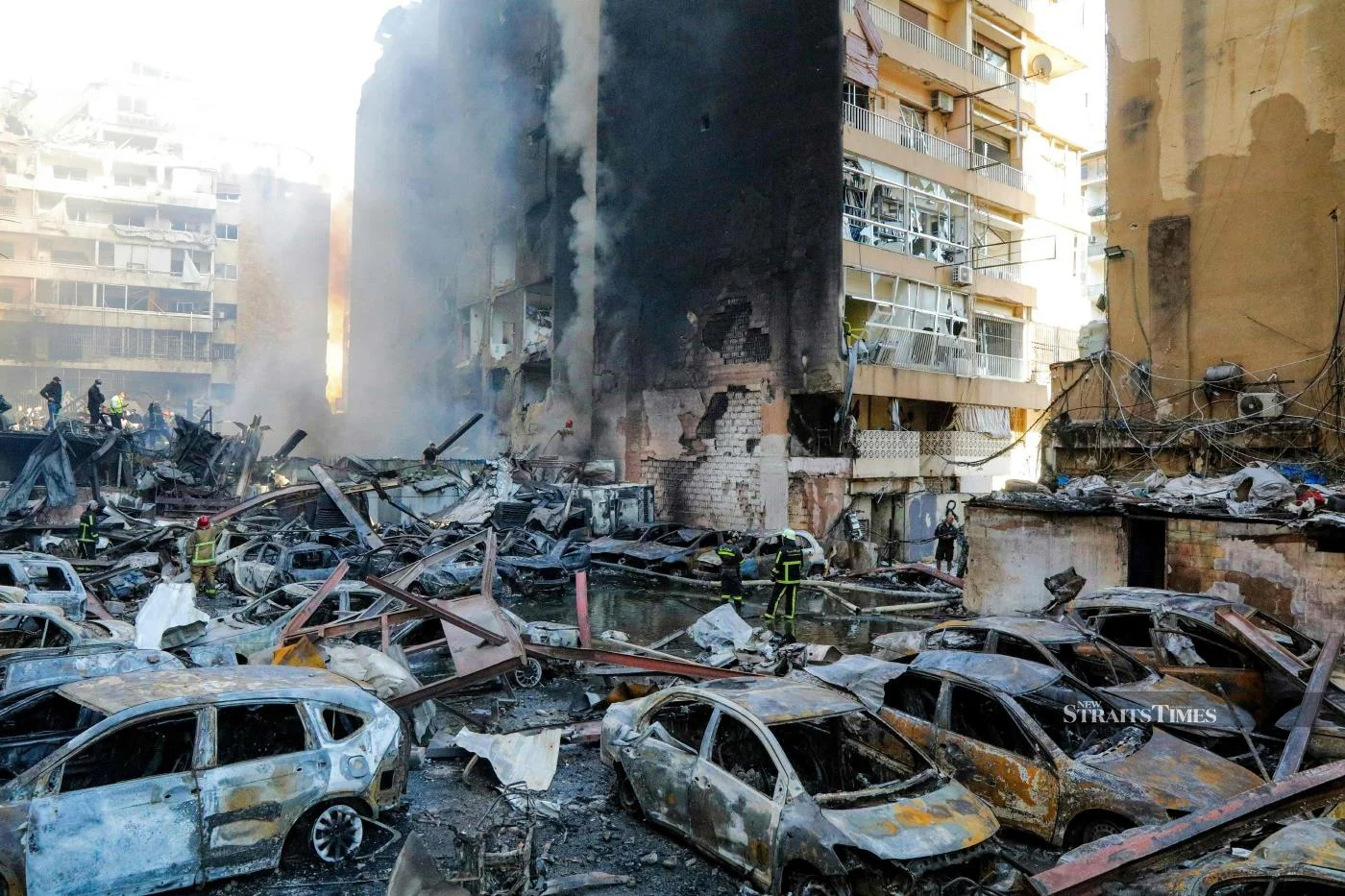
Officials described shattered buildings, disrupted power and water systems, and widespread alarm among civilians forced to take shelter throughout the day.
“Easter Escalation” — Kyiv Blames Moscow
President Volodymyr Zelenskyy publicly described the attacks as an “Easter escalation”, saying Russia chose to intensify violence instead of engaging in negotiations for a temporary ceasefire over the holiday.
Zelenskyy and Ukrainian officials have repeatedly signaled their openness to a short ceasefire — particularly over April 12, when Orthodox Christians in both Ukraine and Russia observe Easter. Kyiv communicated its proposal through international channels, including the United States, but Moscow has not accepted it.
Ukraine’s foreign minister also accused Russia of launching attacks “in broad daylight” to maximize civilian harm and disrupt daily life.
Scale and Tactics: Hundreds of Drones and Missiles
Ukrainian defense sources reported that nearly 500 drones and missiles were used in recent barrages — far more than typical daily levels.
In response, Ukraine’s air force and ground defenses worked around the clock to shoot down as many threats as possible. Emergency services scrambled to contain fires, restore power, and rescue civilians from damaged buildings.
Kyiv’s Continued Diplomatic Efforts
Despite the violence, Ukraine has kept its diplomatic door open:
- Zelenskyy said Ukraine would maintain its Easter ceasefire proposal even if Russia shows “unreadiness.”
- Talks involving U.S. and NATO officials continue, focusing not only on temporary pauses but also on longer‑term security guarantees and support for Kyiv’s defense.
Kyiv wants any ceasefire to include verified commitments and accountability mechanisms; Moscow has instead emphasized long‑term peace but refused short, symbolic halts in hostilities.
Frontline Context and Wider War Dynamics
The attacks and diplomatic shifts come amid:
- Reports of a record number of long‑range UAV attacks on Ukraine in March, the highest since the start of the full‑scale war.
- Ukraine expanding its use of retaliatory drone strikes deep into Russian territory, including industrial and military targets.
- Ongoing battles along the frontlines, where Ukrainian forces continue to defend against Russian advances while trying to hold and reclaim territory in key sectors.
Human Impact on Civilians
Residents in cities hit hardest have relayed stories of:
- Families trapped in shelters for prolonged daytime hours due to repeated strikes.
- Schools and workplaces forced to close as air raid alarms blare.
- Emergency workers overwhelmed by damage to public infrastructure, including utilities, hospitals, and transit networks.
Analysts stress that the shift to daylight attacks raises the risk of civilian casualties and adds psychological strain on communities that have endured years of intermittent bombardment.
FAQs — Updated With Latest Information
1. What is meant by “Easter escalation”?
It refers to Russia’s decision to intensify daytime missile and drone strikes on Ukraine during a period when Kyiv proposed a temporary ceasefire for the Easter holiday.
2. How many people have been killed recently?
Multiple sources report at least eight civilians killed, with some areas reporting higher totals amid widespread strikes.
3. Why are attacks happening in daylight now?
Ukraine says Russia is shifting to daytime barrages to challenge air defenses and create more disruption in civilian life.
4. Has Russia accepted the Easter ceasefire?
No. Kyiv has proposed a holiday truce, but the Kremlin says it has not accepted it and prefers longer‑term peace talks.
5. What is the international response?
The U.S., NATO, and allied states have condemned the attacks, continue diplomatic engagement, and discuss military and security support to Ukraine.