Introduction
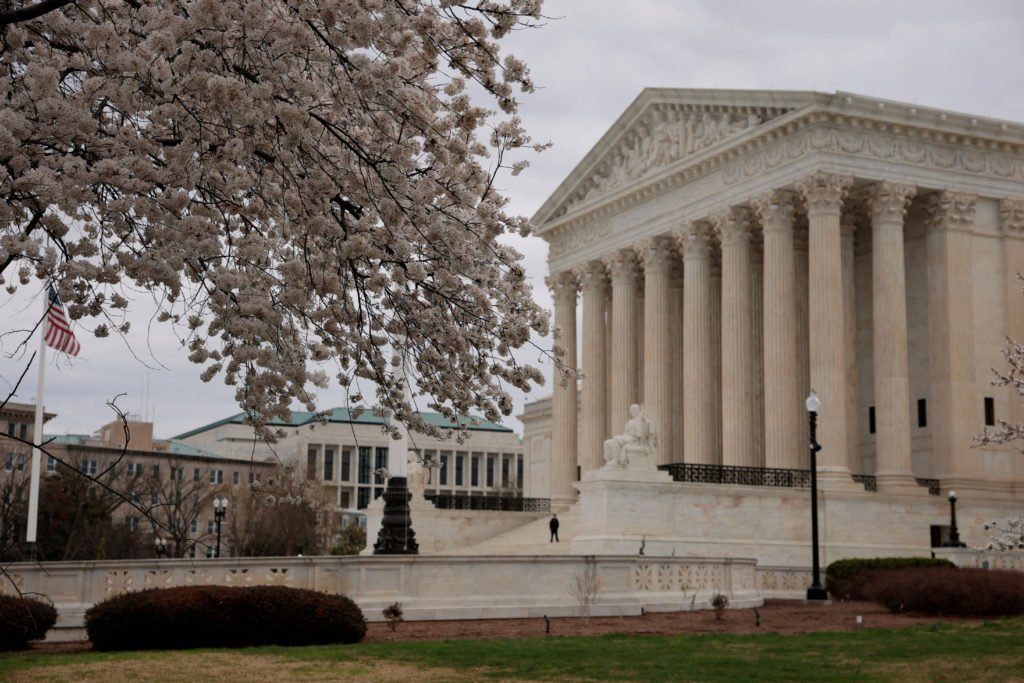
In a major and controversial decision, the US Supreme Court has struck down a Colorado law that banned so-called conversion therapy for LGBTQ+ individuals.
The ruling, delivered in a strong 8-1 majority, has sparked nationwide debate over free speech, religious rights, and the protection of vulnerable communities. This article explains the case in simple terms, explores the background, and examines what this decision means for the future.

- The court ruled 8-1 in favor of a therapist challenging the ban
- The decision was based on First Amendment free speech rights
- Justice Neil Gorsuch wrote the majority opinion
- Justice Ketanji Brown Jackson issued the only dissent
- The ruling could affect similar laws in more than 20 US states
What Was Colorado’s Conversion Therapy Ban?
Understanding the Law
Colorado introduced the law in 2019 to protect minors from conversion therapy—a practice that aims to change a person’s sexual orientation or gender identity.
Key Features of the Ban
- Applied to licensed therapists
- Prohibited therapy aimed at changing LGBTQ+ identity
- Included fines and penalties for violations
- Focused especially on minors
The state argued the law was necessary to protect young people from harmful practices.
What Is Conversion Therapy?
Conversion therapy refers to attempts to change a person’s sexual orientation or gender identity.
Common Characteristics
- Often based on religious or ideological beliefs
- Involves talk therapy or counseling
- Widely criticized by medical and psychological associations
Why It Is Controversial
| Supporters Say | Critics Say |
|---|---|
| It protects religious freedom | It is harmful and ineffective |
| People should choose therapy | It can cause emotional damage |
| Free speech must be protected | It targets vulnerable youth |
The Legal Case: What Happened?
Who Filed the Case?
The case was brought by Kaley Chiles, a licensed counselor in Colorado Springs.
Her Argument
Chiles claimed:
- The law restricted what she could say in therapy sessions
- It violated her First Amendment rights
- Clients should be free to seek faith-based counseling
She argued that the law blocked her from helping clients who wanted to align their identity with their religious beliefs.
Supreme Court’s Decision Explained
Majority Ruling
The US Supreme Court sided with Chiles in an 8-1 decision.
Justice Neil Gorsuch wrote the majority opinion, stating:
- The law “censors speech based on viewpoint”
- It violates constitutional protections of free speech
- Lower courts failed to apply strict scrutiny to the law
The ruling emphasized that the government cannot control or limit speech based on ideology.
📌 Key takeaway: The court viewed the therapy as speech, not just medical treatment.
The Dissenting Opinion
Justice Ketanji Brown Jackson strongly disagreed.
She argued:
- The law regulates medical practices, not speech
- States have the right to protect public health
- The decision may weaken safeguards for vulnerable individuals
Key Legal Concept: First Amendment
The case mainly revolved around the First Amendment of the US Constitution.
What It Protects
- Freedom of speech
- Freedom of religion
- Freedom of expression
Court’s Interpretation
The court ruled that:
- Even professional counseling is protected speech
- The government cannot favor one viewpoint over another
- Laws restricting speech must pass strict legal tests
Step-by-Step Breakdown of the Court’s Reasoning
1: Identify the Law’s Impact
- The law restricted what therapists could say
2: Determine if It Is Speech
- The court decided therapy conversations = speech
3: Apply Strict Scrutiny
- The government must justify limiting speech
4: Evaluate the Law
- The law failed to meet strict constitutional standards
5: Final Decision
- The ban was struck down and sent back to lower courts
Impact of the Decision
US States
- More than 20 states have similar bans
- These laws may now face legal challenges
LGBTQ+ Community
- Advocacy groups fear increased risk to youth
- Some see it as a setback for protections
Free Speech
- Supporters say it strengthens constitutional rights
- Reinforces limits on government regulation
Reactions to the Ruling
Supporters Say
- It protects freedom of speech
- It allows religious counseling
- It prevents government overreach
Critics Say
- It may legitimize harmful practices
- It weakens protections for minors
- It ignores medical consensus
According to reports, organizations and leaders across the US have expressed strong and divided opinions on the ruling.
Comparison: Before vs After the Ruling
| Aspect | Before Ruling | After Ruling |
|---|---|---|
| Conversion therapy ban | Enforced in Colorado | Struck down |
| Therapist speech | Restricted | Protected |
| State authority | Stronger | Weakened |
| Legal standard | Less strict | Strict scrutiny required |
Broader Implications
Legal Impact
- Could reshape how courts view professional speech
- May affect healthcare regulations nationwide
Social Impact
- Sparks debate between rights vs protections
- Raises questions about balancing freedom and safety
FAQs
1. Why did the Supreme Court strike down the law?
The court found that the law violated free speech rights under the First Amendment.
2. What is conversion therapy?
It is a practice aimed at changing a person’s sexual orientation or gender identity.
3. Who challenged the law?
A therapist named Kaley Chiles filed the case.
4. Was the decision unanimous?
No, it was an 8-1 ruling with one dissent.
5. Will this affect other states?
Yes, similar laws in other states could now be challenged.
Conclusion
The decision by the US Supreme Court to strike down Colorado’s conversion therapy ban marks a significant moment in US legal and social history.
At its core, the ruling highlights a deep conflict between free speech rights and public health protections. While supporters see it as a victory for constitutional freedoms, critics warn it could endanger vulnerable individuals.
As legal battles continue and states reconsider their laws, this case will likely shape future debates around speech, healthcare, and human rights for years to come.