Introduction
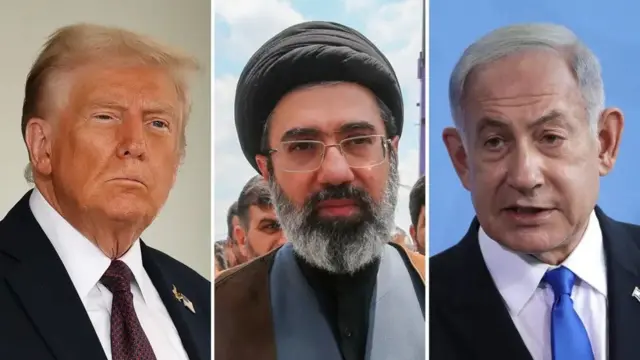
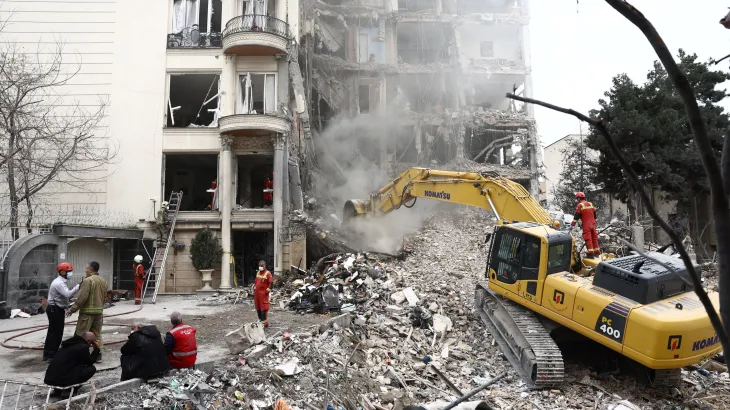
The ongoing 2026 conflict between Iran, the United States, and Israel has escalated from a series of targeted strikes into a full-scale regional war. This war now threatens the stability of the Middle East, global energy security, and potentially international peace.
The crisis is further complicated by the involvement of regional actors and the looming risk of nuclear escalation.
1. Countries Involved Right Now
The war is no longer confined to three nations. It has rapidly expanded to involve multiple regional and global actors.
Primary Combatants
- Iran
- United States
- Israel
Indirectly Involved or Affected Countries
- Gulf nations: Saudi Arabia, UAE, Bahrain, Kuwait
- Lebanon: Hezbollah actively fighting Israel
- Iraq and Syria: Operational zones for missile and drone attacks
- Pakistan: Offering mediation and hosting potential peace talks, not directly involved in combat
- Oman and Egypt: Acting as diplomatic mediators
The involvement of multiple countries and non-state actors has transformed the conflict into a regional war with far-reaching consequences.
2. Current Situation
Iran continues to launch missiles into Israeli territory, including major urban areas like Tel Aviv.
Israel is targeting Iranian military facilities and Hezbollah positions in Lebanon.
The United States is conducting precision strikes in Iran, although some energy-related targets have been temporarily paused.
Gulf countries are actively intercepting incoming missiles and drones to protect critical infrastructure.
The conflict remains highly active, with escalation occurring on multiple fronts.
3. Economic and Global Implications
The war has already begun affecting the global economy:
Energy Security:
The Strait of Hormuz, a critical oil passage, is under threat, causing oil price spikes and instability in energy markets.
Trade Disruptions:
Shipping routes are compromised, slowing down global supply chains.
Investment Risk:
Companies and financial markets are becoming increasingly cautious due to regional uncertainty.
A prolonged war could trigger a global economic slowdown, especially impacting energy-dependent countries in Asia and Europe.
4. Nuclear Risk: Could This Turn Into a Nuclear War?
Current Status
- No nuclear weapons have been deployed.
- Iran’s nuclear program remains a central issue in the conflict.
- Some attacks have occurred near nuclear-related sites, increasing global concern.
Why Experts Are Worried
- Iran has the capability to accelerate its nuclear program.
- Israel is believed to have advanced nuclear capabilities and has warned of strong responses to existential threats.
- Rising tensions and strong rhetoric increase the risk of escalation.
Reality Check
Experts believe a nuclear war is unlikely in the immediate term. However, the risk increases if the conflict expands or if additional global powers become directly involved.
5. Possible Future Scenarios
1. Escalation into a Wider Regional War
More countries could become directly involved, including Gulf states or proxy groups. Critical infrastructure such as oil refineries, ports, and cities could be targeted.
2. Long-Term Conflict
The war could continue for months or years with periodic strikes, similar to other modern conflicts. This would sustain global economic and security risks.
3. Peace Talks or Ceasefire
Countries like Pakistan, Oman, and Egypt are attempting to mediate. A negotiated settlement is possible but would require compromise, especially on Iran’s nuclear program and regional influence.
4. Worst-Case Nuclear Scenario
Although unlikely, nuclear escalation could occur if:
- Iran perceives an existential threat
- Israel decides to neutralize Iran’s capabilities decisively
- Major global powers intervene directly
Even a limited nuclear exchange would have catastrophic consequences for the region and the world.
Final Takeaway
The Iran–US–Israel war has evolved into a regional conflict with significant global implications. While nuclear weapons have not been used, the risk remains if escalation continues. The coming weeks are critical for diplomacy, regional stability, and global economic security.
The outcome of this conflict could reshape Middle East geopolitics and influence global energy and trade for years to come.
FAQs
1. Is there an official war between Iran, the US, and Israel in 2026?
There are ongoing military escalations and strikes between these countries, but the situation is complex and may not be formally declared as a traditional war by all sides.
2. Are other countries directly involved in the conflict?
Some countries are indirectly involved through alliances, proxy groups, or defensive actions, while others are playing diplomatic roles.
3. Is nuclear war likely?
At present, nuclear war is considered unlikely. However, the risk could increase if the conflict escalates further or involves more global powers.
4. How is this conflict affecting oil prices?
The threat to key oil routes like the Strait of Hormuz has caused volatility in oil prices and raised concerns about global energy supply.
5. What role is Pakistan playing?
Pakistan is not directly involved in fighting but is offering mediation and may host peace talks.
6. Could this war turn into a global conflict?
While currently regional, the involvement of major powers could increase the risk of broader international conflict.
7. What are the chances of a ceasefire?
A ceasefire is possible but depends on successful negotiations and compromises between the involved parties.