Introduction
As the war between the United States and Iran intensifies, global attention is shifting toward a more alarming question: could this conflict escalate into a nuclear war?
Recent developments—including conflicting claims over ceasefire talks, continued military activity, and rising geopolitical tensions—have increased fears. But how real is the nuclear threat?
The Current Reality: No Confirmed Nuclear War Scenario
Despite growing concern, there is no credible, confirmed evidence that the current conflict is approaching a nuclear stage.
Two key facts shape the situation:
- The United States is a nuclear-armed country
- Iran is not officially a nuclear-armed state
While Iran has an advanced nuclear program, there is no verified proof that it possesses operational nuclear weapons at this time.
Why Nuclear Fears Are Increasing Now
Even without confirmed nuclear weapons in play, several recent developments are fueling concern:
1. Escalating Military Actions
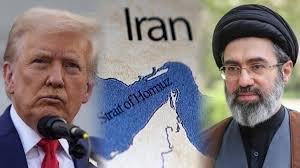
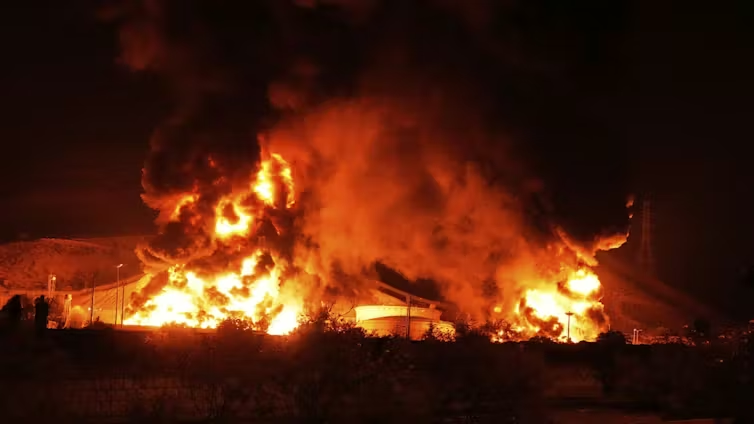
The war has expanded beyond isolated strikes, affecting shipping routes and strategic locations like the Strait of Hormuz. This increases the risk of broader confrontation.
2. Conflicting Political Statements
Recent public disagreements—such as Iran rejecting claims that it requested a ceasefire—highlight how unclear communication is adding to instability.
3. Pressure on Leadership
Domestic and international pressure on leaders, especially in Washington, may influence decisions that could escalate the conflict.
4. Regional Tensions
Middle Eastern geopolitics is complex. If other countries become directly involved, the scale of the conflict could increase rapidly.
Could Iran Develop Nuclear Weapons During the War?
Experts widely agree that building a nuclear weapon is not immediate, even for a country with advanced nuclear capabilities.
For Iran to deploy a nuclear weapon, it would need to:
- Further enrich uranium to weapons-grade levels
- Assemble and test a functional device
- Develop a reliable delivery system
All of this would likely be detected by international intelligence long before completion, triggering global intervention.
The United States and Nuclear Doctrine
While the US has nuclear weapons, their use in a regional conflict like this would be extremely unlikely.
Reasons include:
- Severe global political backlash
- Risk of uncontrollable escalation
- Long-standing military preference for conventional warfare
Nuclear weapons are typically considered only in extreme, existential scenarios—not limited regional wars.
The Real Risk: Miscalculation, Not Intent
Most analysts point to a different danger: miscalculation.
This includes:
- Misinterpreting military actions
- Accidental escalation during strikes
- Breakdown in communication between both sides
In high-tension environments, even small incidents can spiral quickly if not controlled.
What Recent News Indicates
Latest developments suggest:
- No confirmed ceasefire agreement between the US and Iran
- Continued military operations in key مناطق (regions)
- Ongoing disputes over control of strategic routes like the Strait of Hormuz
- Public denial from Iran regarding diplomatic claims made by the US
These signals point to continued conflict—not nuclear escalation at this stage.
What Could Prevent a Nuclear Scenario
Several strong barriers remain in place:
- International diplomatic pressure
- Economic consequences for escalation
- Lack of confirmed nuclear weapons in Iran
- Global monitoring and intelligence systems
These factors significantly reduce the likelihood of a nuclear outcome.
Conclusion
While fears of a nuclear war are understandable given the rising tensions, current facts do not support the idea that the Iran conflict is heading in that direction—at least for now.
The more immediate concern is continued escalation through conventional means and the risk of miscalculation. As the situation develops, the focus remains on whether diplomacy can intervene before the conflict deepens further.
For now, the nuclear scenario remains a low-probability but high-impact risk—one the world is watching very closely.