Introduction
In 2025, long-haul flight diversions are still rare but closely watched by travelers and aviation analysts alike. When a high-profile service like Delta flight DL275 diverted LAX, thousands of passengers and aviation watchers wanted answers — especially because the flight was bound for Tokyo but landed thousands of miles away instead. This article explains the diversion clearly, using verifiable data and expert context from typical long-haul aviation operations.
What Is Delta Flight DL275?
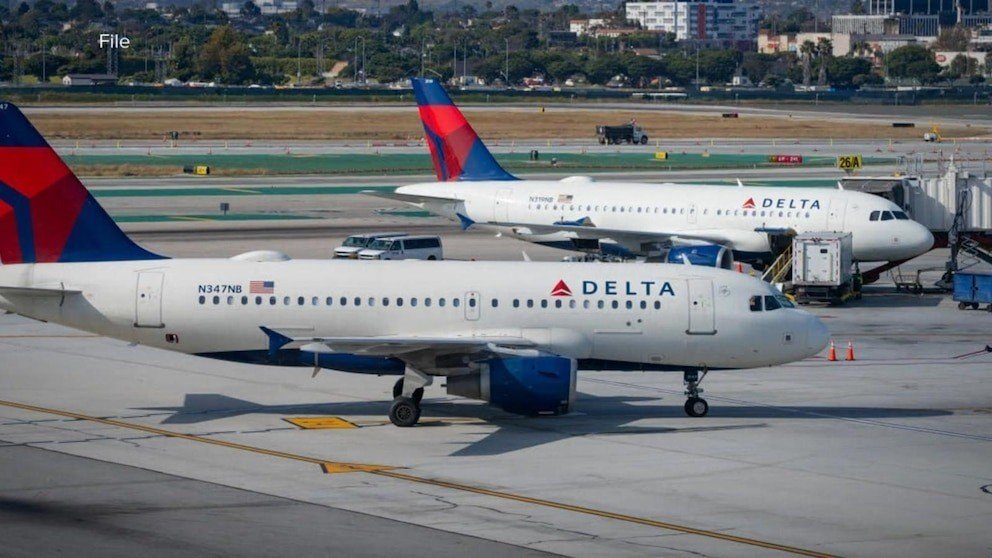
Delta flight DL275 is a scheduled international service operated by Delta Air Lines, normally flying from Detroit Metropolitan Wayne County Airport (DTW) in the United States to Tokyo Haneda Airport (HND) in Japan. In late May 2025, that flight departed on schedule and reached cruise altitude over the North Pacific before an unexpected issue led to a diversion — not back to Detroit, but to Los Angeles International Airport (LAX).
Diversions like this are uncommon on trans-Pacific flights because ETOPS (Extended Operations) planning typically ensures flights stay within safe range of diversion airports. When they happen, they reflect strict safety protocols rather than routine adjustments.
Why Did Delta Flight DL275 Divert to LAX?
The primary cause of the diversion was a malfunction in the flight’s engine anti-ice system, a critical subsystem on long-haul jets like the Airbus A350-900 that prevents ice accumulation on key parts of the engines and nacelles at high altitude.
Engine Anti-Ice System Explained
At cruise altitudes — often above 35,000 feet — temperatures can drop well below freezing. Ice forming on engine inlets, fan blades, or sensors can disrupt airflow and thrust, potentially leading to performance degradation or even an emergency if left unchecked. The anti-ice system uses heated bleed air to prevent this buildup.
During DL275’s cruise, one or more indicators showed the anti-ice system was not performing within normal parameters. Even though the engines were still functioning, the crew and airline operations teams considered the risk unacceptable for continued flight over the remote North Pacific.
Why Was LAX Chosen Instead of Another Airport?
Instead of returning to Detroit or diverting to Anchorage or Seattle — common diversion options for Pacific routes — the flight crew chose Los Angeles. That decision was influenced by several operational factors:
-
Maintenance Infrastructure: LAX is a major hub with comprehensive support for wide-body aircraft like the Airbus A350.
-
Proximity at Decision Time: Flight tracking and routing data indicate the aircraft was closer to Los Angeles when the decision was made.
-
Passenger Support Facilities: Large diversion airports like LAX have robust resources for rebooking, accommodations, and handling international passengers.
-
Runway Capabilities: Long runways at LAX can safely handle a heavy long-haul aircraft with a full fuel load.
Selecting a hub with maximum support reduces operational risk once an unscheduled landing is required.
What Happens During a Diversion Like This?
When an in-flight system anomaly occurs, flight crews follow established safety protocols:
-
Evaluate the Issue: Pilots interpret cockpit alerts and performance data. System warnings like anti-ice failure trigger immediate attention.
-
Consult Operations: The flight crew coordinates with airline dispatch and air traffic control to identify the best diversion plan.
-
Choose the Airport: Airports are evaluated on proximity, weather conditions, available facilities, and support for the aircraft type.
-
Divert and Land Safely: The aircraft alters course and lands under normal procedures, often with ground support ready.
-
Post-Landing Support: Passengers are assisted with onward travel, accommodations, and rebooking if necessary.
In DL275’s case, the diversion was precautionary, not a declared emergency. The aircraft landed safely, and there were no injuries reported among passengers or crew.
Impact on the Flight and Passengers
A diversion of this magnitude — from the North Pacific all the way to LAX — typically involves:
-
Extended travel time: Total flight time remained long, as the aircraft had already flown many hours westward.
-
Operational disruption: The remainder of the original DTW-HND flight was canceled, and passengers were rebooked.
-
Ground logistics: Delta coordinated hotels, meals, and new flight connections for affected passengers.
-
Aircraft inspection: Maintenance crews at LAX inspected and addressed the anti-ice system issue before the aircraft could reenter service.
These steps are standard procedures in commercial aviation when aircraft systems require attention beyond what can safely be managed in flight.
How Common Are Diversions on Long-Haul Flights?
Diversions on trans-Pacific and trans-Atlantic flights are rare but not unprecedented. Modern aircraft and ETOPS planning are designed to keep aircraft within a safe distance of alternate airports at all times. However, stringent safety cultures in airlines like Delta mean that even precautionary alerts — especially involving essential systems like engine anti-ice — can trigger diversions well before any actual hazard materializes.
This is part of why air travel remains one of the safest modes of transportation: pilots and operations teams err on the side of caution rather than schedule adherence.
The Bigger Picture: Aviation Safety in 2025
The DL275 diversion underscores several 2025 trends in aviation:
1. Safety Over Schedule
Airlines increasingly prioritize passenger safety over sticking to published schedules. Quick diversion decisions reflect analytical systems that monitor aircraft health in real time and empower crew judgment.
2. Infrastructure Planning
Major hubs like LAX play dual roles as transit centers and diversion support facilities. Their ability to handle wide-body maintenance and international passenger reprocessing makes them natural choices during mid-flight anomalies.
3. Predictive Data Analysis
Advances in aircraft health monitoring aim to detect issues like anti-ice system degradation before dispatch. Predictive maintenance tools, using onboard sensors and AI analytics, may reduce the likelihood of these diversions in the future.
These trends show a shift toward even higher reliability in long-haul operations — not because aircraft are perfect, but because systems and protocols are built to catch and manage deviations early.
Frequently Asked Questions (FAA Overview Optimized)
1. Was there any danger to passengers on DL275?
No injuries were reported. The diversion was precautionary to maintain safety.
2. Why is the engine anti-ice system so critical?
It prevents ice formation that can disrupt airflow and engine performance at high altitudes.
3. Could the flight have continued to Tokyo?
No, continuing with a compromised anti-ice system over remote airspace would violate safety standards.
4. Is it unusual to divert to LAX from a Pacific crossing?
It’s less common than diverting to Seattle or Anchorage, but operational support made LAX the best option.
5. Do diversions like this hurt airline reputations?
Handled well, diversions often reinforce perceptions of safety priority and professionalism.
6. What happens to passengers after such a diversion?
They are rebooked, accommodated, and supported with ground logistics.
7. Will this incident delay future flights?
Aircraft maintenance turnaround and part inspections can affect scheduling short-term but rarely have long-term impacts.
Conclusion
The case of Delta flight DL275 diverted LAX offers a clear example of how modern aviation prioritizes safety when critical systems show anomalies. Rather than risking continuation on a long trans-Pacific journey, the flight crew elected to divert to a well-equipped airport where passengers, aircraft, and support teams could be managed effectively. This decision — driven by system alerts, careful evaluation, and global operational protocols — reflects the rigorous standards of 2025 aviation safety.