Navigate Here:
ToggleIntroduction
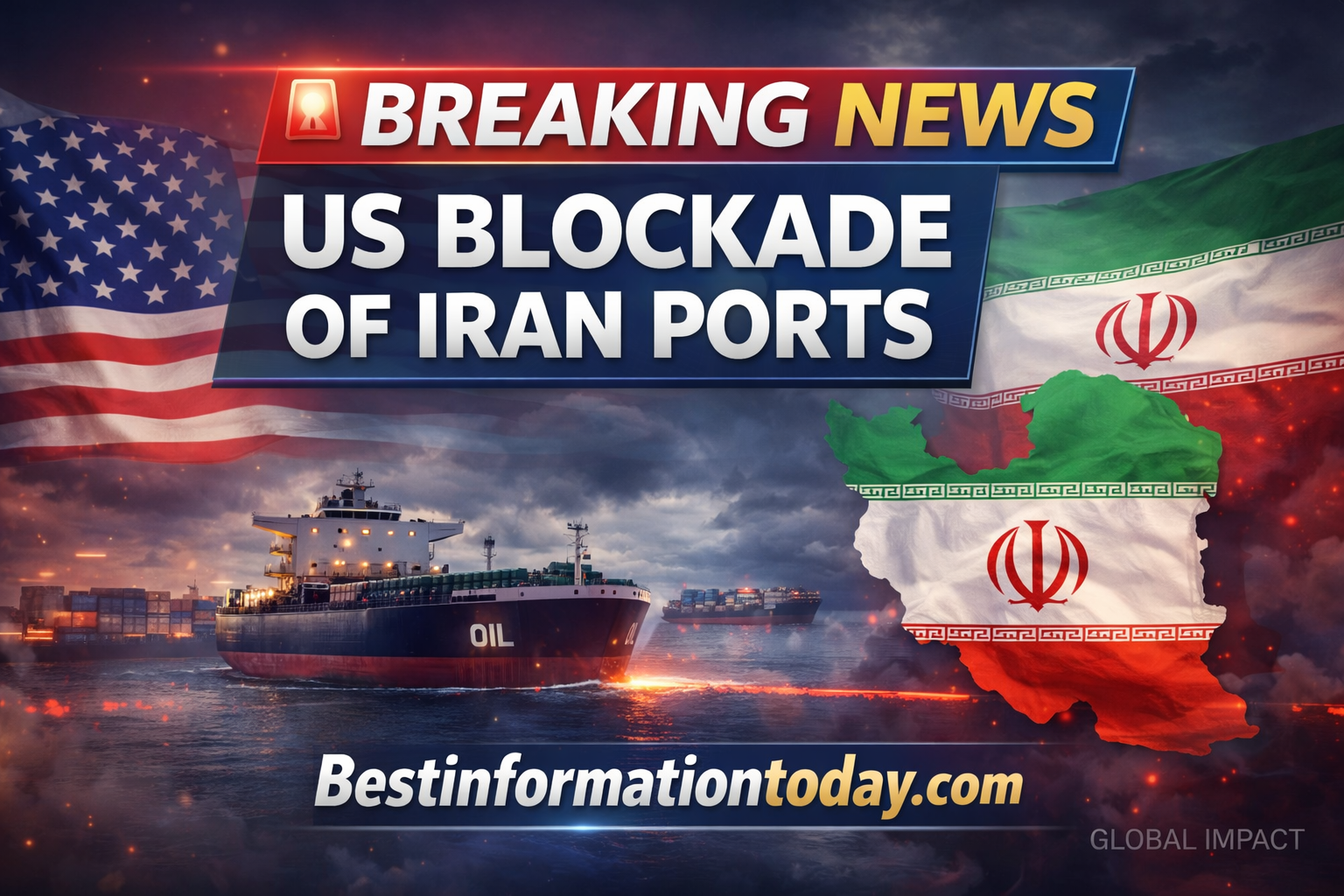
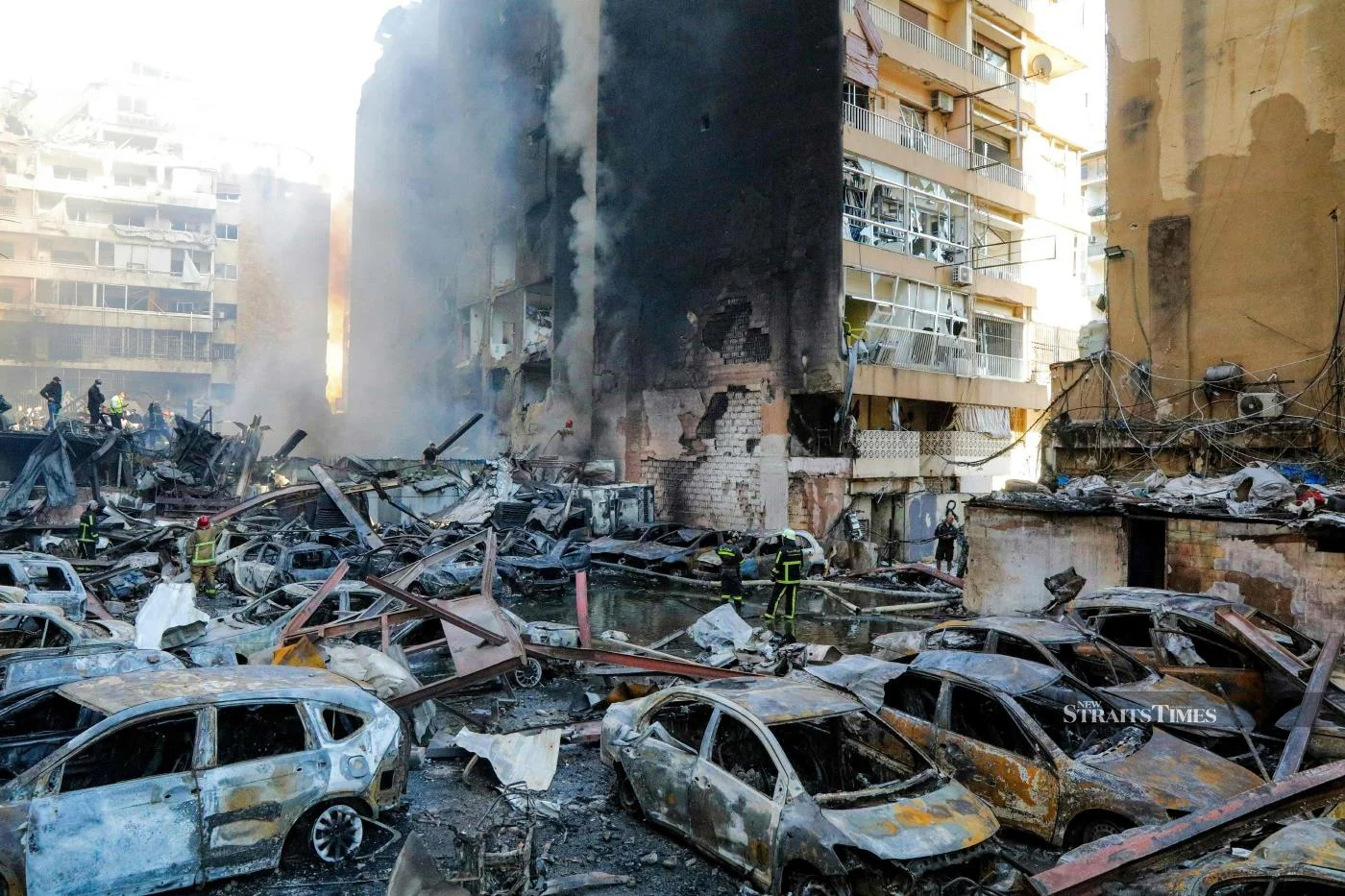
Tensions in the Middle East have escalated once again after massive Israeli airstrikes hit Lebanon just hours after a ceasefire agreement between the United States and Iran. The situation has triggered strong global reactions, especially from Iran, which called the attacks a “grave violation” of the agreement.
This issue is not just a regional conflict—it has global implications, including rising oil prices, geopolitical instability, and humanitarian concerns. In this article, we break down everything you need to know about the Israeli attacks on Lebanon ‘grave violation’ of US-Iran ceasefire situation in simple, clear language.
Israeli Attacks on Lebanon ‘Grave Violation’ of US-Iran Ceasefire
The phrase “Israeli attacks on Lebanon ‘grave violation’ of US-Iran ceasefire” has become a major headline worldwide. Iranian officials, including the foreign minister, have strongly criticized Israel’s military actions, stating that they directly contradict the terms of the ceasefire agreement.
According to reports, the attacks killed more than 250 people and injured over 1,000 in a single day, making it one of the deadliest escalations in recent months.
What Happened? (Timeline of Events)
1. Ceasefire Agreement Announced
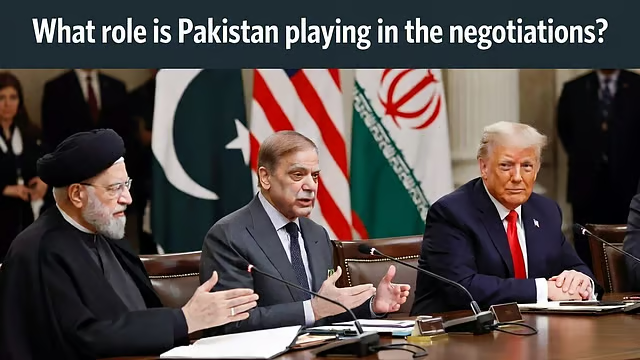
- The US and Iran agreed to a temporary ceasefire mediated by Pakistan.
- The goal was to reduce tensions and prevent a larger regional war.
- Some parties (like Iran and Pakistan) claimed Lebanon was included.
2. Israeli Airstrikes Begin
- Within hours, Israel launched over 100 airstrikes across Lebanon.
- Targets included:
- Beirut (capital city)
- Southern Lebanon
- Bekaa Valley
3. Massive Casualties Reported
- Over 250 people killed
- Hundreds injured
- Hospitals overwhelmed
4. Confusion Over Ceasefire Terms
- The US stated Lebanon was not part of the ceasefire
- Iran insisted it was included
- This disagreement triggered global controversy
Why Iran Calls It a “Grave Violation”
Iran’s position is clear: Israel’s actions undermine peace efforts.
Key Reasons:
- The attacks happened immediately after the ceasefire
- Civilian areas were reportedly hit
- The agreement was meant to reduce regional conflict
Iran warned that continued strikes could lead to:
- Collapse of the ceasefire
- Renewed large-scale war
- Retaliation from allied groups
This is why the phrase “Israeli attacks on Lebanon ‘grave violation’ of US-Iran ceasefire” is being widely used in global media.
Israel’s Response and Justification
Israel has defended its actions, stating:
- The ceasefire does not apply to Lebanon
- The attacks targeted Hezbollah (a militant group)
- The goal is to eliminate security threats
Israeli officials argue that:
- Hezbollah operates independently of Iran-US agreements
- Military action is necessary for national security
Global Reactions
United Nations
- Strongly condemned the attacks
- Called civilian casualties “appalling”
European Leaders
- Urged all sides to respect the ceasefire
- Emphasized including Lebanon in peace talks
United Kingdom
- Called for expanding the ceasefire to Lebanon
- Warned of broader conflict risks
United States
- Maintains that Lebanon is not part of the deal
- Supports Israel’s right to defend itself
Humanitarian Impact
The consequences of the attacks are severe:
Immediate Effects:
- Thousands displaced
- Hospitals overwhelmed
- Infrastructure destroyed
Long-Term Effects:
- Economic collapse in Lebanon
- Rising refugee crisis
- Increased regional instability
Comparison Table – Different Positions
| Party | Position on Ceasefire | View on Lebanon |
|---|---|---|
| United States | Ceasefire valid | Lebanon excluded |
| Iran | Ceasefire valid | Lebanon included |
| Israel | Not bound in Lebanon | Continues attacks |
| Europe | Supports ceasefire | Wants Lebanon included |
Real-World Example (US Perspective)
To understand the seriousness, imagine this:
If the US signed a peace deal with a rival country, but one of its allies continued bombing another region involved in the conflict—it would:
- Undermine trust
- Increase risk of war
- Create confusion over agreements
This is similar to what is happening now in the Middle East.
Step-by-Step Guide – Understanding the Conflict
1: Understand the Players
- US: Wants stability
- Iran: Supports regional allies
- Israel: Focuses on security threats
- Hezbollah: Armed group in Lebanon
2: Know the Agreement
- Temporary ceasefire
- Mediated by Pakistan
- Disputed coverage (Lebanon unclear)
3: Analyze the Conflict
- Israel continues attacks
- Iran calls it violation
- US denies responsibility
4: Watch Global Impact
- Oil prices rising
- Trade disruptions
- Political tensions increasing
Why This Conflict Matters Globally
This is not just a regional issue.
Key Global Impacts:
- Oil prices approaching record highs
- Threat to global shipping routes
- Risk of wider war involving multiple countries
Key Takeaways
- The ceasefire is fragile and disputed
- Israel’s actions have intensified tensions
- Iran sees this as a serious violation
- Global leaders are calling for restraint
FAQs
1. What does “grave violation” mean in this context?
It means a serious breach of an agreement that could lead to major consequences, including renewed conflict.
2. Was Lebanon included in the US-Iran ceasefire?
There is disagreement. Iran says yes, while the US says no.
3. Why is Israel attacking Lebanon?
Israel says it is targeting Hezbollah to protect its national security.
4. How many people were affected?
Over 250 people were killed and many more injured in recent attacks.
5. Could this lead to a larger war?
Yes, experts warn that continued escalation could trigger a wider regional conflict.
Conclusion
The Israeli attacks on Lebanon ‘grave violation’ of US-Iran ceasefire situation highlights how fragile international agreements can be. Conflicting interpretations, military actions, and political interests have created a dangerous environment that could escalate further.
For now, the world watches closely as leaders try to prevent a larger war. The coming days will be critical in determining whether diplomacy can prevail—or if the region will face even greater instability.
Understanding this issue is essential, not just for policymakers, but for everyone, as its effects reach far beyond the Middle East.