Introduction
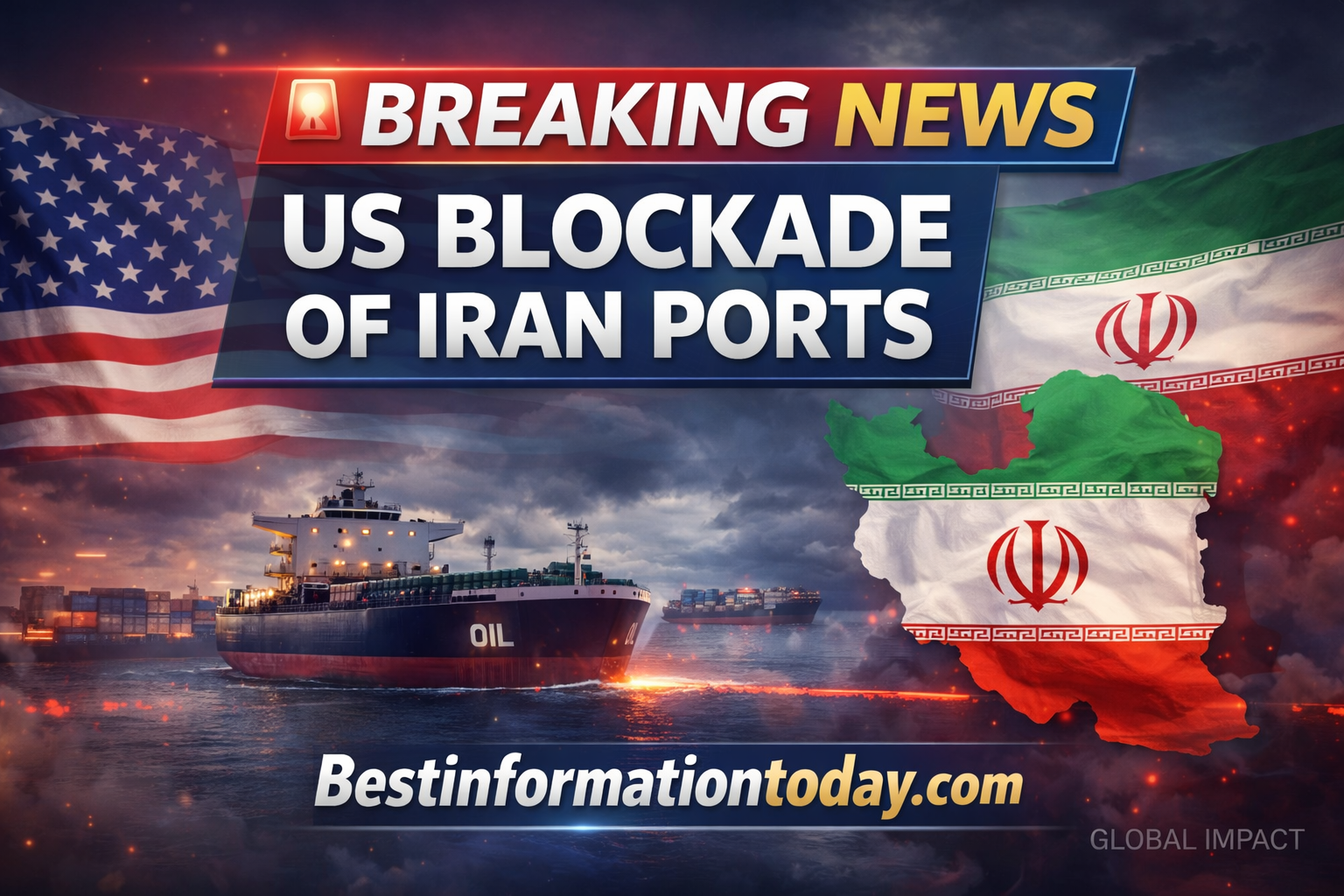
Tensions between the United States and Iran have once again surged into global headlines. Recent remarks by Donald Trump, described as blunt and filled with strong language, triggered a sharp response from Iran. Iranian officials warned of “devastating” retaliation if any aggressive actions are taken.
This development has raised serious concerns among policymakers, analysts, and everyday citizens. What does this escalation mean for global security? Could it lead to military conflict, or is it part of political signaling?
In this in-depth article, we’ll break down the situation, explain the risks, and explore what it means for the United States and the world.
Iran Warns of ‘Devastating’ Retaliation After Trump’s Expletive-Filled Threats
What Happened? A Clear Breakdown of the Situation
Recent statements by Donald Trump included strong warnings directed at Iran, reportedly using aggressive and explicit language. In response, Iranian leaders issued a firm message: any attack or escalation would be met with “devastating” consequences.
Key Points of the Situation:
- Trump criticized Iran’s regional activities and military posture
- He warned of severe consequences if US interests were threatened
- Iran responded with threats of retaliation
- Global leaders called for restraint to avoid conflict
This exchange quickly gained attention across international media and diplomatic circles.
Why Are US-Iran Tensions So High?
The conflict between the US and Iran is not new. It has deep historical roots that continue to shape current events.
Historical Background
Some major events that define this relationship include:
- 1979 Iranian Revolution
- Iran shifted from a US ally to an adversary
- Hostage Crisis
- American diplomats were held for 444 days
- Nuclear Program Disputes
- Ongoing concerns about Iran developing nuclear weapons
- Sanctions and Economic Pressure
- The US has imposed strict sanctions on Iran
- Military Incidents
- Tensions in the Persian Gulf and proxy conflicts
What Does “Devastating Retaliation” Mean?
When Iran warns of “devastating retaliation,” it is not just rhetoric. The country has multiple ways to respond.
Possible Forms of Retaliation
- Missile Strikes
- Iran has advanced ballistic missile capabilities
- Cyber Attacks
- Targeting US infrastructure or businesses
- Proxy Warfare
- Supporting allied groups in the Middle East
- Disruption of Oil Supply
- Affecting global energy markets
Impact on the United States
The situation directly affects US national security and economic stability.
Potential Consequences
- Increased military presence in the Middle East
- Rising oil prices affecting US consumers
- Cybersecurity threats to businesses
- Political debates within the US
Real Example (US-Based):
In past tensions, oil prices in the US surged, leading to higher gas prices nationwide. For example:
- Gas prices rose significantly during previous Iran-related crises
- American households faced increased transportation costs
- Businesses saw higher logistics expenses
Global Implications
This conflict goes beyond just two countries.
Countries That Could Be Affected
- Israel
- Saudi Arabia
- European Union nations
- China and Russia
Economic Effects
- Global oil prices could spike
- Stock markets may become unstable
- Trade routes could be disrupted
Comparison Table – US vs Iran Capabilities
| Factor | United States | Iran |
|---|---|---|
| Military Budget | Very High | Moderate |
| Nuclear Capability | Advanced | Developing/Disputed |
| Cyber Power | Strong | Growing |
| Regional Influence | Global | Strong in Middle East |
| Allies | NATO, Israel, others | Proxy groups, regional allies |
Step-by-Step Guide: How to Understand Global Conflicts Like This
Understanding geopolitical tensions can feel overwhelming. Here’s a simple step-by-step approach:
1: Follow Reliable News Sources
Stick to trusted outlets like major US and international media.
2: Understand the History
Look at past events that led to current tensions.
3: Identify Key Players
Know who is involved (countries, leaders, organizations).
4: Watch Economic Indicators
Oil prices and stock markets often reflect global tensions.
5: Avoid Misinformation
Verify facts before sharing or reacting.
Political Context in the United States
Trump’s strong language reflects a broader political strategy.
Why Such Strong Statements?
- Appealing to a tough-on-foreign-policy stance
- Sending a deterrent message to adversaries
- Influencing domestic political support
However, critics argue that such rhetoric may escalate tensions unnecessarily.
Could This Lead to War?
This is the biggest concern for many people.
Factors That Could Increase Risk
- Military miscalculations
- Escalating rhetoric
- Proxy conflicts expanding
Factors That Reduce Risk
- Diplomatic negotiations
- International pressure
- Economic consequences of war
Most experts believe that while tensions are high, full-scale war is still unlikely—but not impossible.
Media and Public Reaction
The phrase “Iran warns of ‘devastating’ retaliation after Trump’s expletive-filled threats” has quickly spread across news platforms and social media.
Public Response Includes:
- Concern about global stability
- Political debates in the US
- Increased online discussions
Key Takeaways
- The situation reflects long-standing US-Iran tensions
- Strong rhetoric from both sides increases risk
- Economic and global impacts could be significant
- Diplomatic solutions remain crucial
FAQs
1. Why did Iran respond so strongly to Trump’s threats?
Iran viewed the statements as aggressive and responded to deter any potential military action.
2. What does “devastating retaliation” mean in real terms?
It could involve missile strikes, cyber attacks, or actions through allied groups.
3. Is the US likely to go to war with Iran?
While tensions are high, most experts believe war is not imminent but remains a possibility.
4. How does this affect everyday Americans?
It can impact gas prices, national security, and the economy.
5. Why is this issue important globally?
Because it affects international stability, oil markets, and global alliances.
Conclusion
The headline “Iran warns of ‘devastating’ retaliation after Trump’s expletive-filled threats” highlights a serious moment in international relations. While strong words dominate the current situation, the real concern lies in what could follow.
History shows that escalating rhetoric can sometimes lead to unintended consequences. However, it also shows that diplomacy can prevent conflict.
For the United States, Iran, and the rest of the world, the path forward depends on careful decision-making, strategic restraint, and open communication. As global citizens, staying informed and understanding these dynamics is more important than ever.