Introduction
A major Iranian city has come under intense attack, with residents saying it was “hit hard” by recent airstrikes. Videos circulating online show massive explosions at a missile base, sending fireballs and smoke high into the sky. The strikes mark one of the most dramatic escalations in the ongoing 2026 conflict involving Iran, the United States, and Israel.
Massive Blasts Rock Missile Base in Isfahan
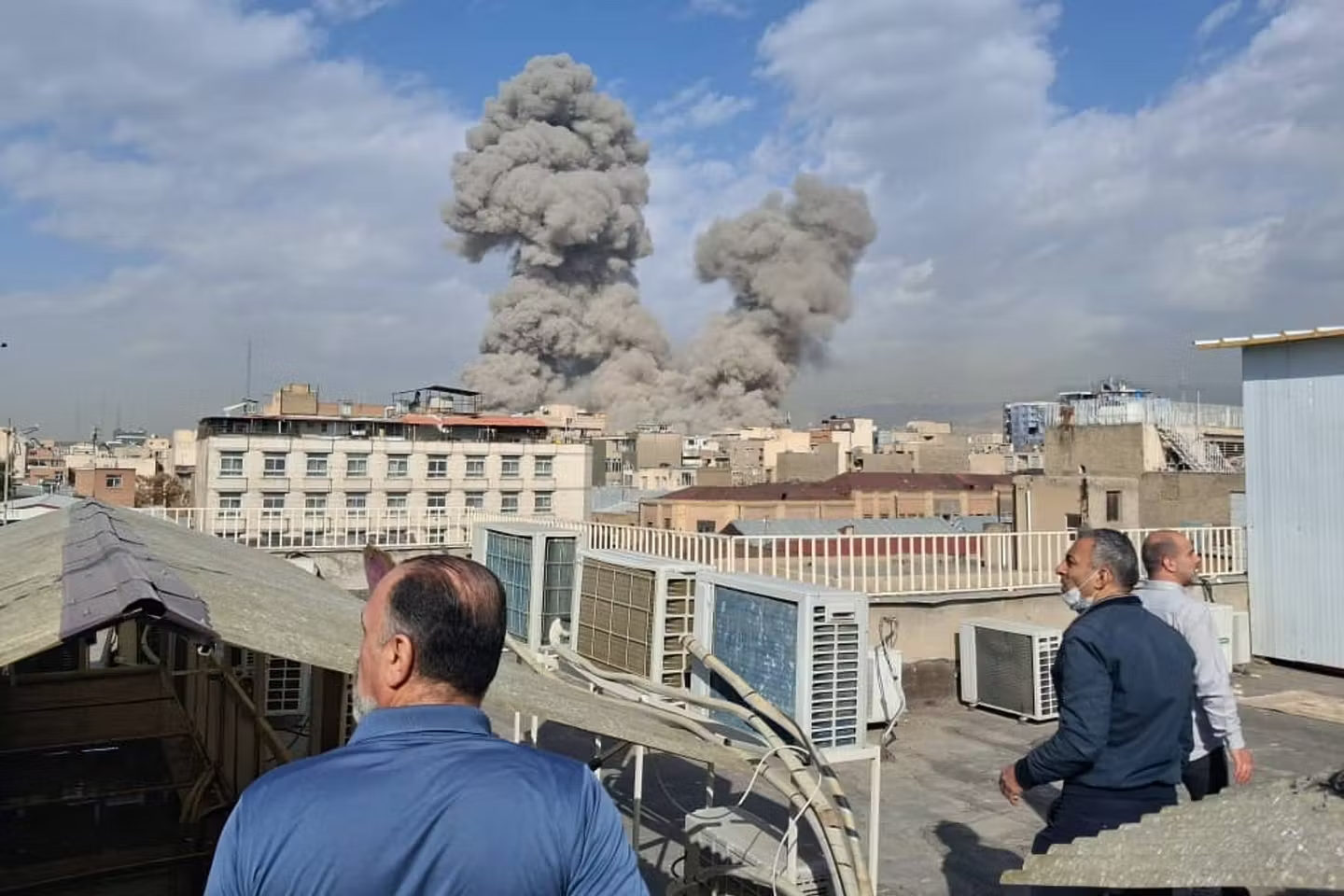
Recent strikes targeted a military site in Iran’s central region, widely believed to be near Isfahan, a key hub for missile production and storage. Videos show huge explosions and thick smoke clouds rising after the attack.
Reports suggest that bunker-buster bombs hit an ammunition depot, triggering powerful secondary explosions.
These secondary blasts likely came from stored missiles or fuel, which can magnify the scale of destruction. Witnesses described the explosions as “massive” and visible from long distances.
Residents Say the City Was ‘Hit Hard’
People living near the targeted area described a night of chaos and fear. Many reported hearing multiple explosions in quick succession.
Explosions were not limited to one location. Reports indicate blasts across several cities, including Isfahan and nearby areas such as Shahin Shahr and Kashan.
Residents said buildings shook from the force of the blasts. Some areas experienced temporary power outages after shockwaves damaged infrastructure.
Families rushed outside or sought shelter as the situation unfolded rapidly.
Why Isfahan Matters Strategically
Isfahan plays a critical role in Iran’s military and nuclear infrastructure. It hosts missile production facilities and underground storage sites.
Recent strikes appear to target these strategic assets directly. Analysts say damaging such sites can disrupt Iran’s ability to launch missiles and maintain its defense systems.
Previous attacks have already hit dozens of missile bases and production centers across the country.
However, experts warn that Iran’s military network remains resilient and can recover over time.
Part of a Larger Wave of Attacks
The strike on Isfahan forms part of a broader campaign of airstrikes across Iran.
- Multiple cities, including Tehran, have faced repeated air raids.
- Key officials have been injured in targeted attacks.
- Military and industrial sites continue to face bombardment.
The conflict has now entered its second month, with no clear end in sight.
Civilian Impact and Growing Damage
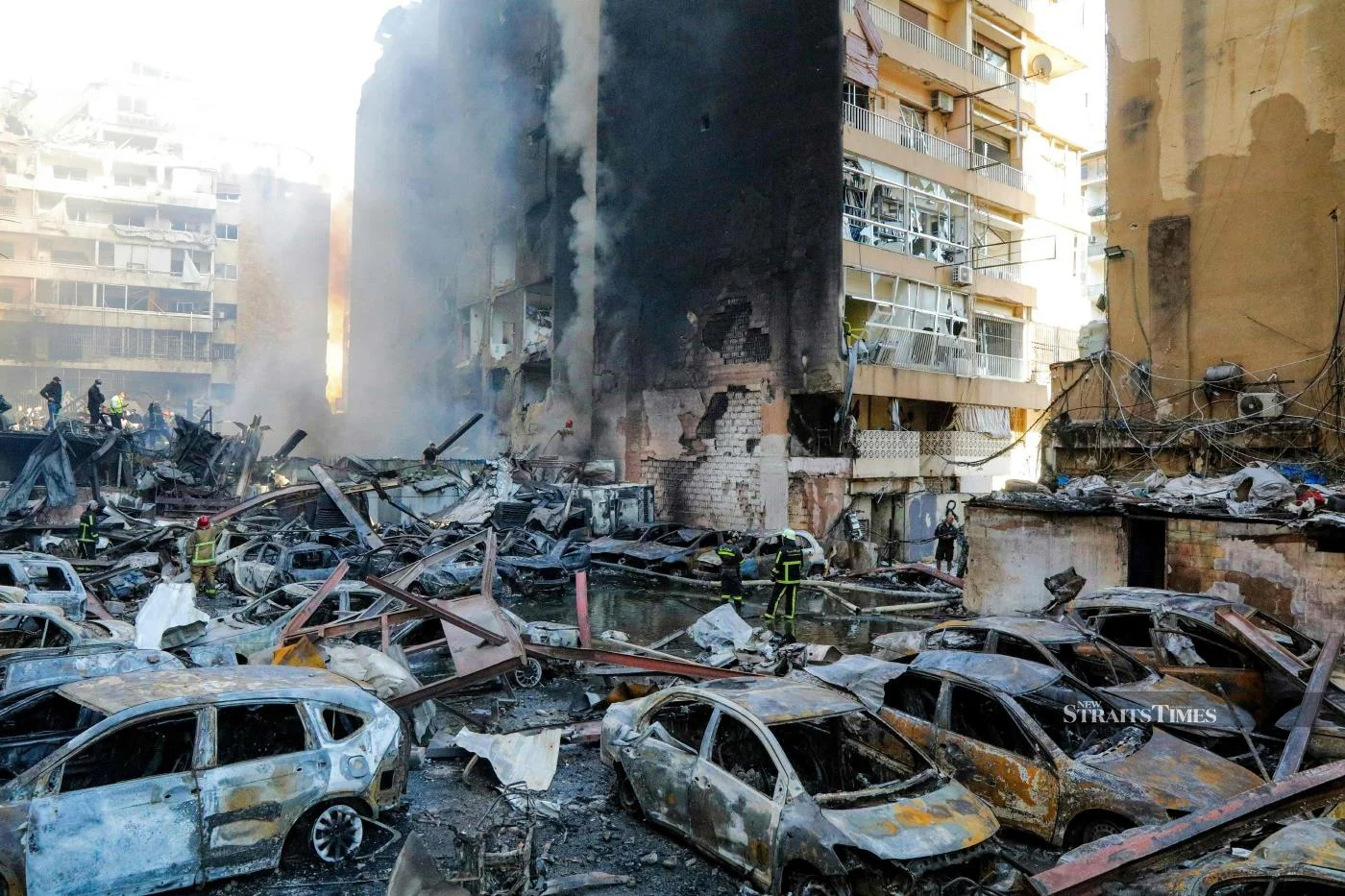
The strikes have caused widespread damage beyond military targets. Reports indicate that homes, factories, and infrastructure have suffered significant destruction.
According to humanitarian sources, tens of thousands of homes have been damaged or destroyed since the conflict began.
The proximity of missile bases to residential areas increases the risk for civilians. Large explosions often affect nearby neighborhoods, even when strikes target military facilities.
Regional and Global Implications
The conflict has triggered wider instability across the Middle East. Iran has responded with missile and drone attacks targeting regional locations, including Gulf countries.
Global energy markets have also felt the impact. Oil prices have surged, and shipping routes remain under threat due to tensions in the Strait of Hormuz.
Political tensions have risen as world powers react to the escalating crisis.
What Happens Next?
The latest strike shows that attacks on Iran’s military infrastructure continue to intensify. Analysts expect further strikes and possible retaliation in the coming days.
While the damage to missile bases appears significant, experts believe Iran will attempt to rebuild and maintain its capabilities.
The risk of a wider regional war remains high.
Conclusion
The strikes on Isfahan highlight a dangerous escalation in the ongoing conflict. Videos of massive explosions and accounts from residents reveal the scale of the attack and its impact on daily life.
As tensions rise, the situation remains volatile. The coming days could prove critical in determining whether the conflict expands further or moves toward de-escalation.