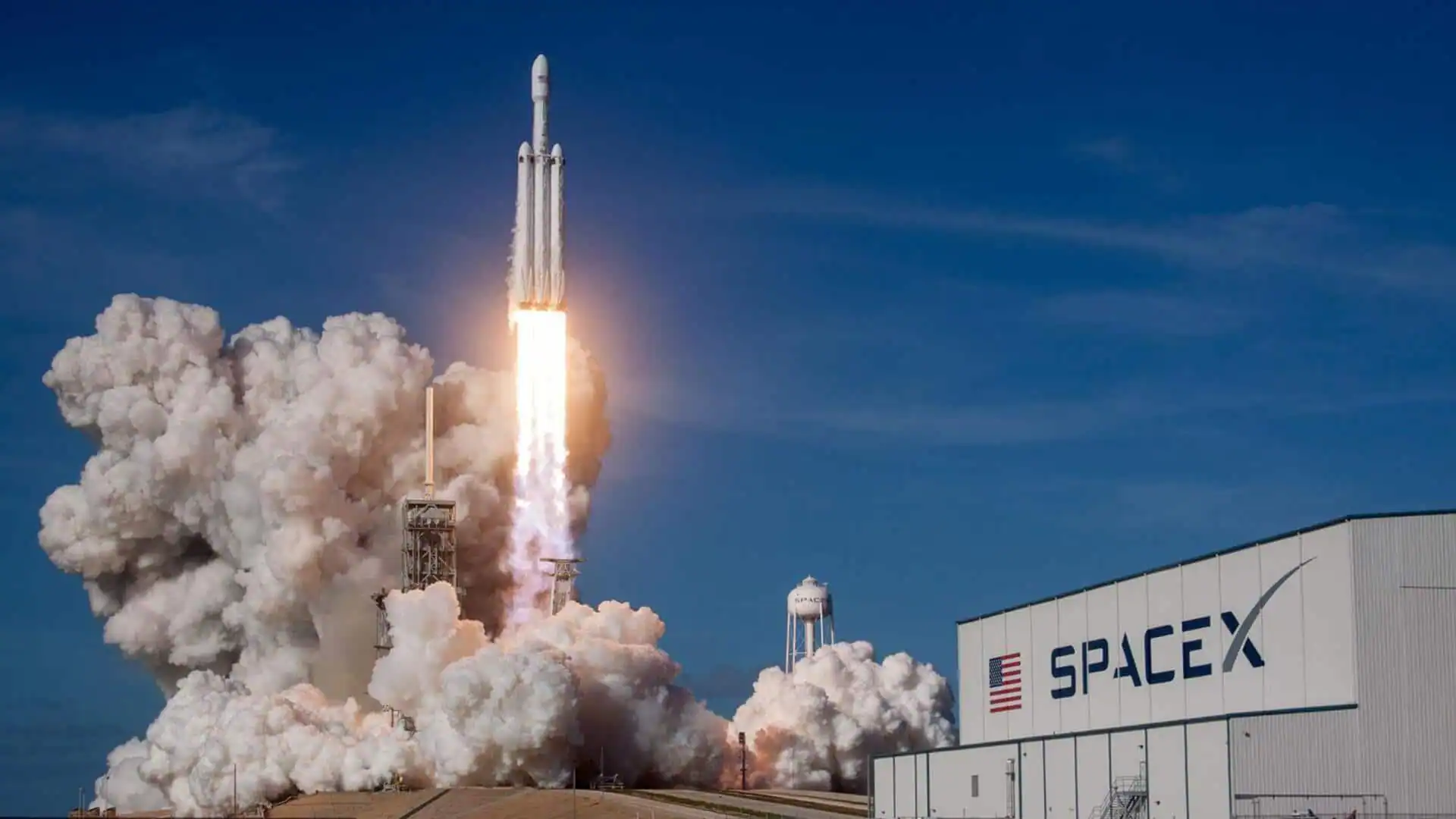
Elon Musk’s aerospace and satellite giant SpaceX has taken a historic step toward becoming publicly traded. On April 1, 2026, the company confidentially filed for an initial public offering (IPO) with the U.S. Securities and Exchange Commission (SEC). The move puts SpaceX on track for one of the largest stock market debuts ever — potentially reshaping the global financial landscape and the space investment sector.
Confidential Filing Signals a Major Shift
SpaceX submitted draft registration documents to the SEC under a confidential filing process. This first step allows the company to work with regulators privately before public disclosure of financial details. Confidential filings are common for companies preparing large IPOs, as they help protect sensitive business information while the SEC reviews company filings.
SpaceX did not immediately comment on the filing, following standard practice for confidential submissions. However, media reports indicate that the company is targeting a June 2026 listing on a U.S. exchange.
Record‑Setting Valuation and Fundraise Targets
According to multiple reports, SpaceX’s IPO could achieve an unprecedented valuation of up to about $1.75 trillion — far surpassing the largest previous global IPOs. If the valuation materializes at listing, SpaceX would be among the world’s highest‑valued public companies upon debut.
Industry sources also suggest SpaceX may aim to raise between $50 billion and $75 billion in the offering. Such figures would outstrip the size of the landmark $29 billion IPO by Saudi Aramco in 2019, long considered the largest single stock offering.
This massive potential raise reflects investor enthusiasm for SpaceX’s diverse revenue streams — including rocket launch services, satellite internet operations, and artificial intelligence (AI) integration.
How SpaceX Built Up to This Moment
SpaceX — founded in 2002 — has achieved a string of historic milestones in space exploration and technology. The company was the first private firm to send a spacecraft into orbit, dock with the International Space Station, and land orbital rockets vertically. Over the past decade, it has expanded its reach with the Starlink satellite constellation, now with millions of subscribers.
In early 2026, SpaceX completed the acquisition of xAI — its founder Musk’s artificial intelligence venture — integrating AI capabilities into its infrastructure. This merger is viewed by analysts as a strategic boost that broadens SpaceX’s business model beyond aerospace and satellite internet.
IPO Impact: Wall Street and Beyond
SpaceX’s planned IPO has sparked fresh interest in the so‑called “mega IPO” market for 2026. Analysts now see a wave of high‑profile listings potentially shaping global markets, with SpaceX leading the pack. Reportedly, other tech firms like OpenAI and Anthropic are also preparing for initial public offerings this year.
Goldman Sachs and other financial institutions project that U.S. IPO proceeds could reach record levels in 2026, driven by marquee names like SpaceX. However, market volatility — influenced by geopolitical tensions and economic uncertainty — could pose challenges as the listing date approaches.
What’s Next in the IPO Process
After the confidential SEC filing, SpaceX must publicly file its S‑1 registration statement at least 15 days before beginning its IPO roadshow with institutional investors. The roadshow is a crucial marketing period where company executives pitch the business to large financial firms to set pricing and demand for the shares.
If all goes according to plan, analysts expect shares to begin trading around June or July 2026 — depending on market conditions and regulatory feedback.
Broader Implications for Space Investment
SpaceX’s IPO is viewed as a milestone moment for the commercial space sector. It demonstrates how ventures once seen as speculative are now positioned as mainstream investment opportunities. Rocket launches, satellite internet, and space‑based infrastructure now attract serious capital from institutional investors and market funds.
At the same time, funds tied to SpaceX’s future public shares — such as exchange‑traded funds (ETFs) referencing the company — are already drawing speculative interest among investors positioning themselves ahead of the IPO.
A Historic Financial Event in the Making
SpaceX’s confidential IPO filing marks a turning point for its corporate journey and the broader financial and space industries. With a potential valuation approaching $1.75 trillion, a massive fundraising target, and a market debut that could redefine space‑related investing, SpaceX’s public offering is shaping up to be one of the most‑watched events in financial history.
Investors, regulators, and space enthusiasts alike will be watching closely as this story continues to unfold in the coming months.