Introduction
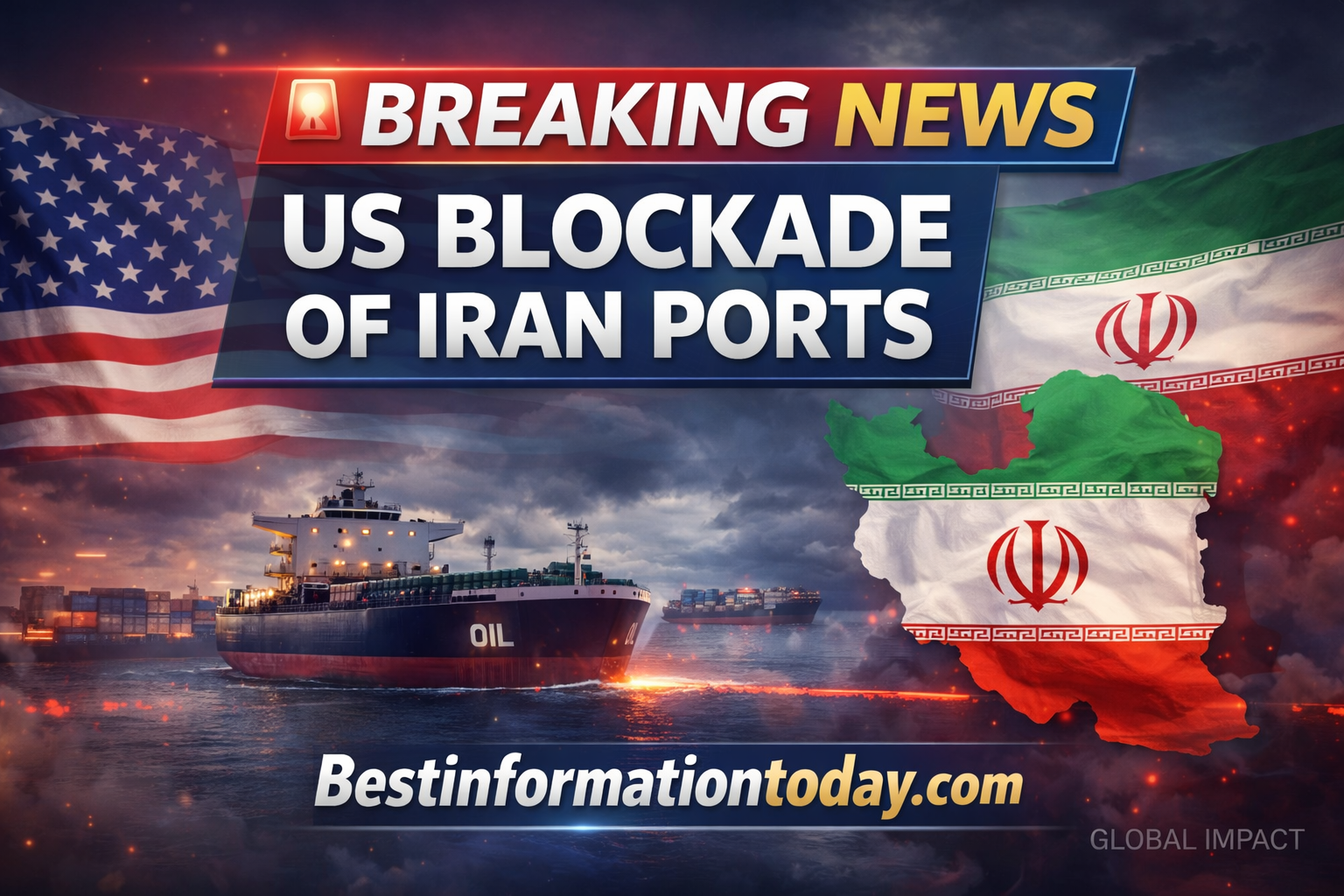
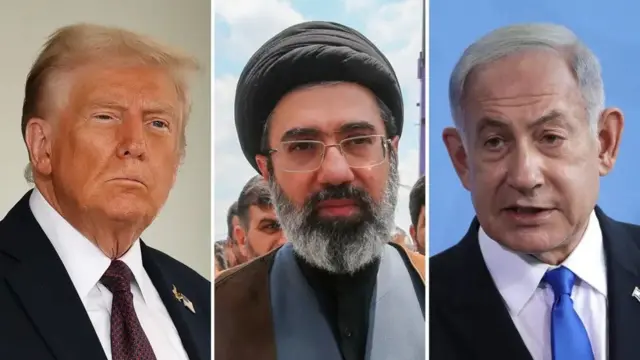
The 2026 war involving Iran, United States, and Israel marks a critical turning point in modern international relations. Unlike previous indirect confrontations, this conflict has escalated into direct military engagement, raising fears of a wider regional war and even global instability.
This article examines the deeper causes, the sequence of escalation, the involvement of regional actors, and the broader implications for the world.
Historical Context and Root Causes
The hostility between Iran and the United States dates back to the 1979 Islamic Revolution, when Iran shifted from a Western-aligned monarchy to an Islamic republic. Since then, relations have been defined by sanctions, political confrontation, and military tension.
A central issue has been Iran’s nuclear program. While Iran insists it is for peaceful purposes, the United States and Israel view it as a potential pathway to nuclear weapons. The collapse of the 2015 nuclear agreement further deepened mistrust.
For Israel, Iran represents a strategic and ideological threat. Iranian leaders have openly opposed Israel’s existence, while Israel has consistently sought to prevent Iran from gaining advanced military capabilities.
Immediate Triggers of the 2026 War
The current war did not emerge suddenly; it was the result of escalating tensions throughout 2025. The situation reached a breaking point in early 2026 when coordinated strikes by the United States and Israel targeted Iranian military installations, including missile systems and strategic facilities.
These strikes were described as preventive, aimed at limiting Iran’s capabilities. However, Iran interpreted them as acts of war and responded with large-scale missile and drone attacks.
This marked a shift from proxy conflict to direct state-to-state warfare.
Military Dynamics of the Conflict
United States Strategy
The United States has deployed advanced military technology, including airpower, naval forces, and intelligence systems. Its strategy focuses on:
- Disrupting Iran’s military infrastructure
- Protecting U.S. forces and allies in the region
- Maintaining control over key maritime routes
The U.S. presence in the Persian Gulf has increased significantly, signaling long-term engagement.
Israel’s Military Role
Israel has taken an aggressive stance, conducting targeted operations against Iranian assets. Its objectives include:
- Neutralizing Iran’s missile capabilities
- Preventing nuclear advancement
- Countering Iranian influence in neighboring countries
Israeli defense systems have also been heavily engaged in intercepting incoming missiles.
Iran’s Response Strategy
Iran has adopted a combination of direct and indirect tactics:
- Launching ballistic missiles toward Israeli targets
- Attacking U.S. bases in the region
- Threatening to disrupt shipping in the Strait of Hormuz
Iran’s strategy relies on both conventional forces and allied groups to extend its reach.
Role of Regional and Non-State Actors
The conflict has expanded beyond the three main countries:
- Armed groups in Lebanon and Syria have opened additional fronts
- Gulf countries face increasing security risks due to their proximity
- Global powers such as Russia and China are monitoring the situation closely, avoiding direct military involvement but engaging diplomatically
This multi-layered involvement increases the complexity and unpredictability of the war.
Economic and Energy Implications
Oil and Energy Crisis
The war has placed the Strait of Hormuz—a vital global oil route—under constant threat. A significant portion of the world’s oil supply passes through this narrow waterway.
As a result:
- Oil prices have surged
- Energy markets have become volatile
- Countries dependent on imports are facing economic pressure
Global Trade Disruption
The conflict has disrupted:
- Shipping routes in the Middle East
- International air travel
- Supply chains for essential goods
These disruptions are contributing to inflation and slowing economic growth worldwide.
Humanitarian Impact
Beyond geopolitics, the war has serious human consequences:
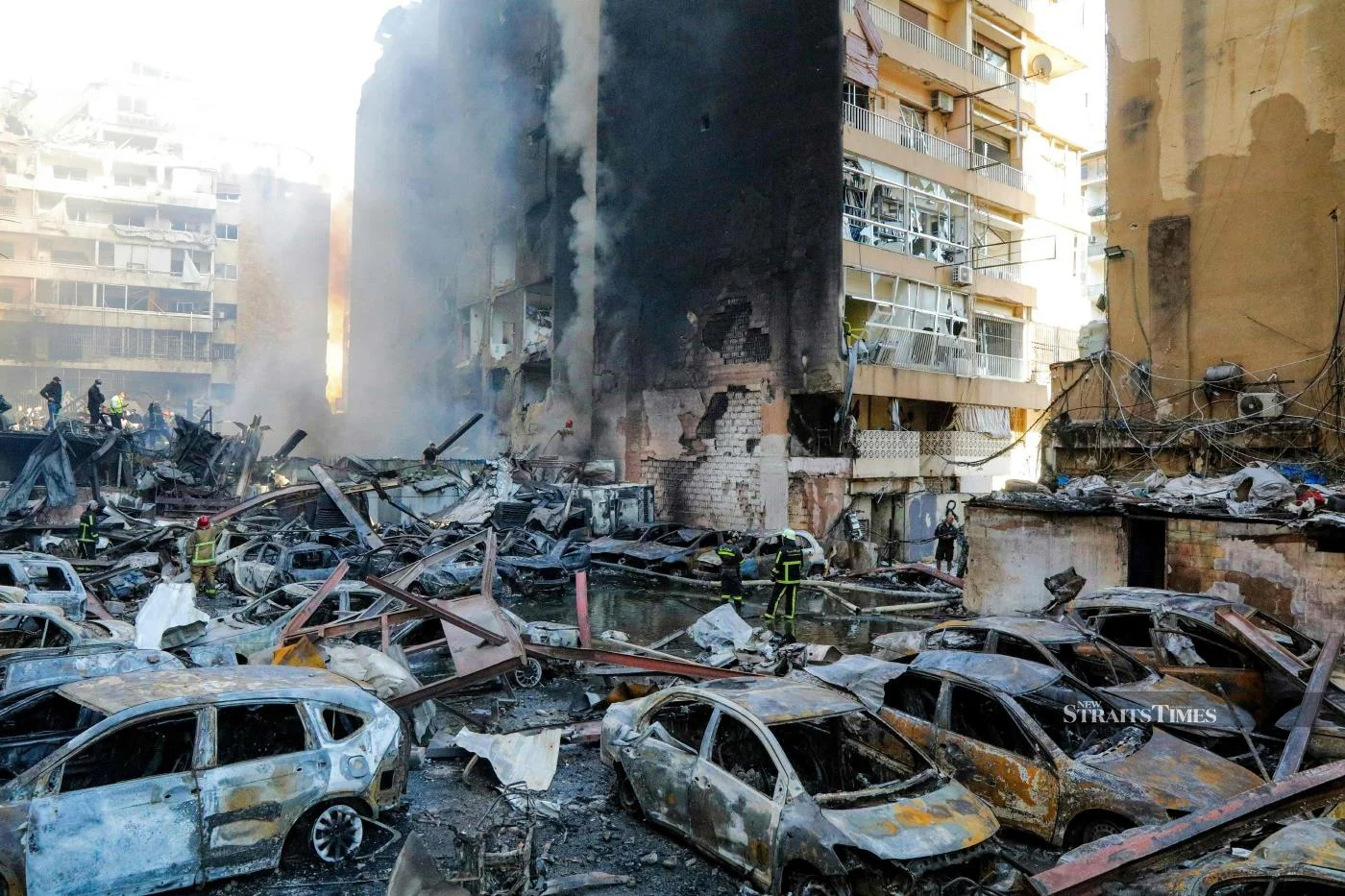
- Civilian casualties from missile strikes
- Damage to infrastructure such as hospitals and roads
- Displacement of populations in affected regions
The psychological and social impact of the conflict continues to grow as uncertainty persists.
Information and Cyber Warfare
A notable feature of this conflict is the use of cyber operations and information warfare:
- Cyberattacks targeting infrastructure and communication systems
- Media campaigns aimed at shaping global opinion
- Competing narratives from all sides
This digital dimension adds a new layer to modern warfare.
Diplomatic Efforts and Challenges
While there have been signals of possible negotiations, meaningful diplomatic progress remains limited. Key challenges include:
- Deep mistrust between the parties
- Conflicting strategic objectives
- Domestic political pressures within each country
International organizations and neutral states are attempting to mediate, but a breakthrough has yet to occur.
Future Scenarios
Several possible outcomes could shape the future of this conflict:
- Escalation: Expansion into a broader regional war
- Stalemate: Continued fighting without decisive victory
- Negotiated Settlement: A diplomatic agreement under global pressure
Each scenario carries significant risks and consequences for global stability.
Conclusion
The 2026 Iran–U.S.–Israel war is more than a regional conflict—it is a global crisis with far-reaching implications. Rooted in decades of political tension, it has now evolved into a complex, multi-actor war affecting economies, security, and human lives worldwide.
Its resolution—or escalation—will play a defining role in shaping the future of international relations.